We often look for magic in the monumental—the grand thresholds, the celestial transits, or the dramatic shifts in our lifelines. Yet, for me, the deepest, most resilient magic often quietens itself. This is because magic chooses to dwell within the small, domestic corners of our daily lives. Magic often lives in ordinary objects that carry the unmistakable shimmer of the human soul.

Growing up on a vast 700-acre horse stud in rural Australia, my world was framed by eucalyptus-clad mountains. It was beautiful (in a ruggedly Aussie landscape way), yet physically isolated. This was an era before mobile phones and the Internet. So, when I say we lived ‘in the middle of nowhere’, that’s the truth. 


I have Liselotte’s hands


I never met my German grandmothers Minna (paternal) and Liselotte (maternal). They existed to me as stories and names whispered across oceans. They were my ancestral threads waiting to be pulled.

Currently, I am deep in the sacred process of researching my ancestry no doubt motivated by my mother’s death last year. I’m unravelling the rich, complex tapestry of the women who came before me. This journey requires walking alongside ghosts and asking them to guide my pen and my heart.

Recently, the archive pages from a German register office revealed a heartbreaking, heavy truth. Although I have long known my mother experienced the shocking grief of three siblings dying in infancy, it was only a few days ago that I discovered the names, birth dates, and dates of death of three of Liselotte’s babies.

My mother was born at the start of WWII. Her siblings were born and died during these dark years. Two of those precious souls died at just one day old. The third slipped away at six weeks. I remember my mother telling me about the raw grief of that time, and the unbearable ache of my grandmother’s empty arms. To hold those stark dates on paper is to sit in the quiet shadow of an immense, historical grief. I wonder how her hands and heart coped with the weight of such profound loss.

That Liselotte is laughing in this photo with my grandfather Erwin, Aunty Carole, Uncle Peter, and my mother (white dress), makes me so happy. To know she was able to laugh again, even after the deaths of three babies, brings comfort.


Because words and ritual are the medicine I carry, I’m going to create a beautiful memorial ceremony for those three babies. I plan to place dedicated plaques in my garden, here in Cumbria, to honour them and to hold space for my grandmother’s unspoken sorrow. In giving them a physical place of remembrance, I’m anchoring their memory into the earth, ensuring they are no longer lost to the passing of time.

Lineage isn’t just found in archives or stark statistics. It’s also found in what has been left behind.
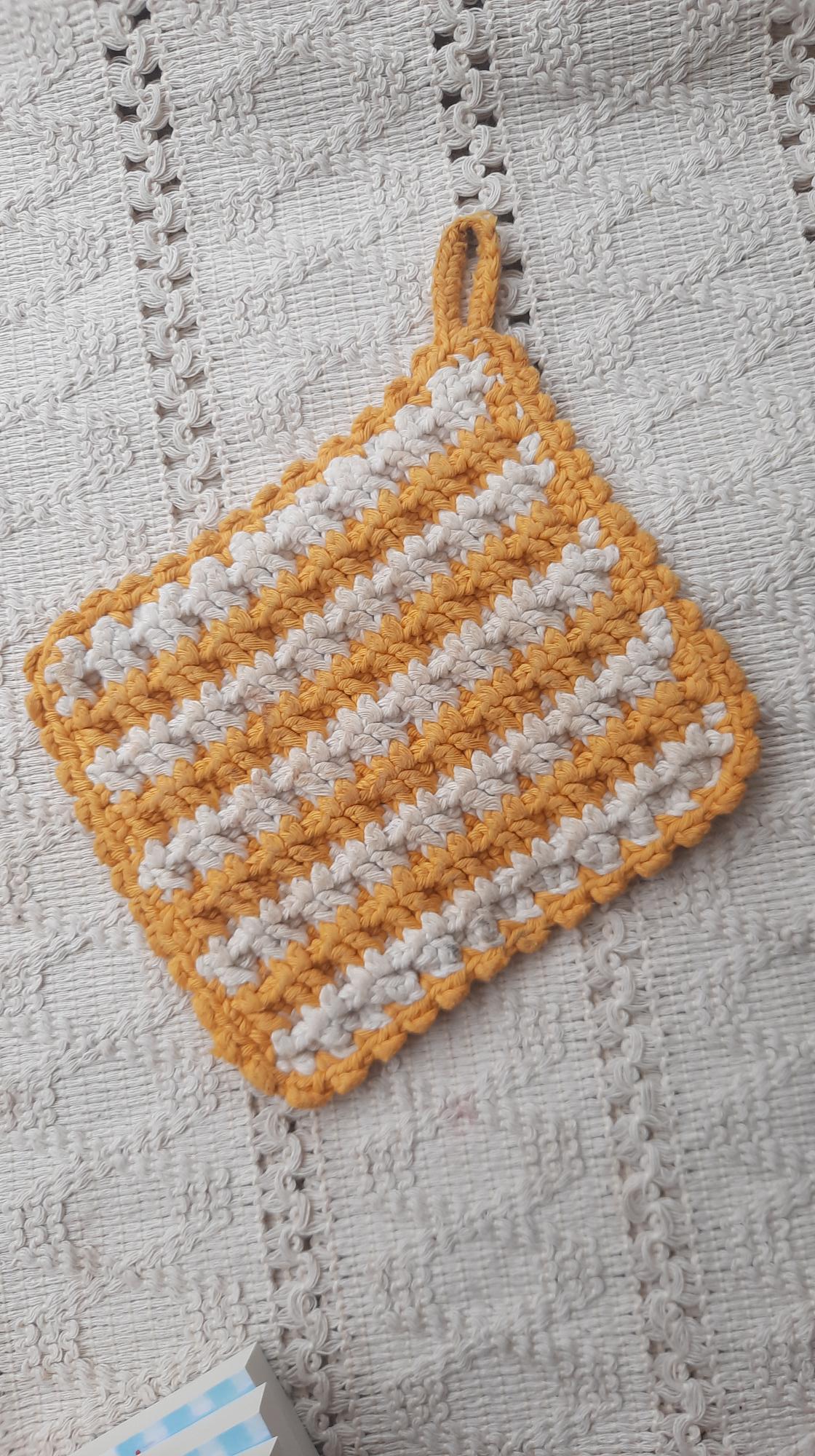
This potholder was crocheted by my Oma Liselotte.


For years, a simple yellow and white crocheted potholder has lived in my kitchen just by the sink. This way I can see it whenever I wash up. Crafted by the hands of my Oma Liselotte, it is one of the most precious things I own. Even though she was a woman I never hugged, and whose voice I never heard, every time I touch this potholder, I engage in a sacred domestic ritual. Through that humble square of yarn, her hands protect mine. Decades later, her creative energy is still alive in my kitchen. This is the true definition of everyday magic. A mundane kitchen tool becomes a portal of love, connection, and ancestral healing. I hold close, too, the biological truth: I was an egg in my grandmother’s womb. We are connected through time and space.

Distance has a way of prompting its own unique language of devotion. My other grandmother, Minna, poured her love into parcels that crossed the seas. In her corner of the world in Kiel, Germany, she would crochet pretty pink and orange dresses for me. She wrapped them carefully in thick brown paper, shipping them across the world to me in Australia. The blistering, Sun-baked climate of my childhood was never quite conducive to heavy, woollen dresses. Yet, the impracticality of the garments mattered very little. The love was palpable, felt in the rhythm of every single stitch.

Our domestic lives are brimming with sacred history. Stitched dresses and worn potholders are the artifacts of the matriarchs. They are the tiny anchors holding the stories of women who navigated deep transitions and survival. When I wrote my latest novel, Grandmother’s Button Tin, I held close the knowledge that when we open an old tin, we aren’t just looking at haberdashery. We are holding our grandmother’s magic.

An Invitation
As you move through your home today, look closer at the ordinary objects resting on your shelves. What quiet medicine are they holding for you?

Veronika Sophia Robinson
Author, Novelist, & Weaver of Word Medicine
🤍 🤍 🤍
You are warmly invited to step further into my literary sanctuary. Explore the complete collection of fiction and non-fiction books at Starflower Press, or discover the living map of your soul with a personal astrology reading at The Oracle. My celebrant training and celebrant masterclasses can be found at Heart-led Celebrants.
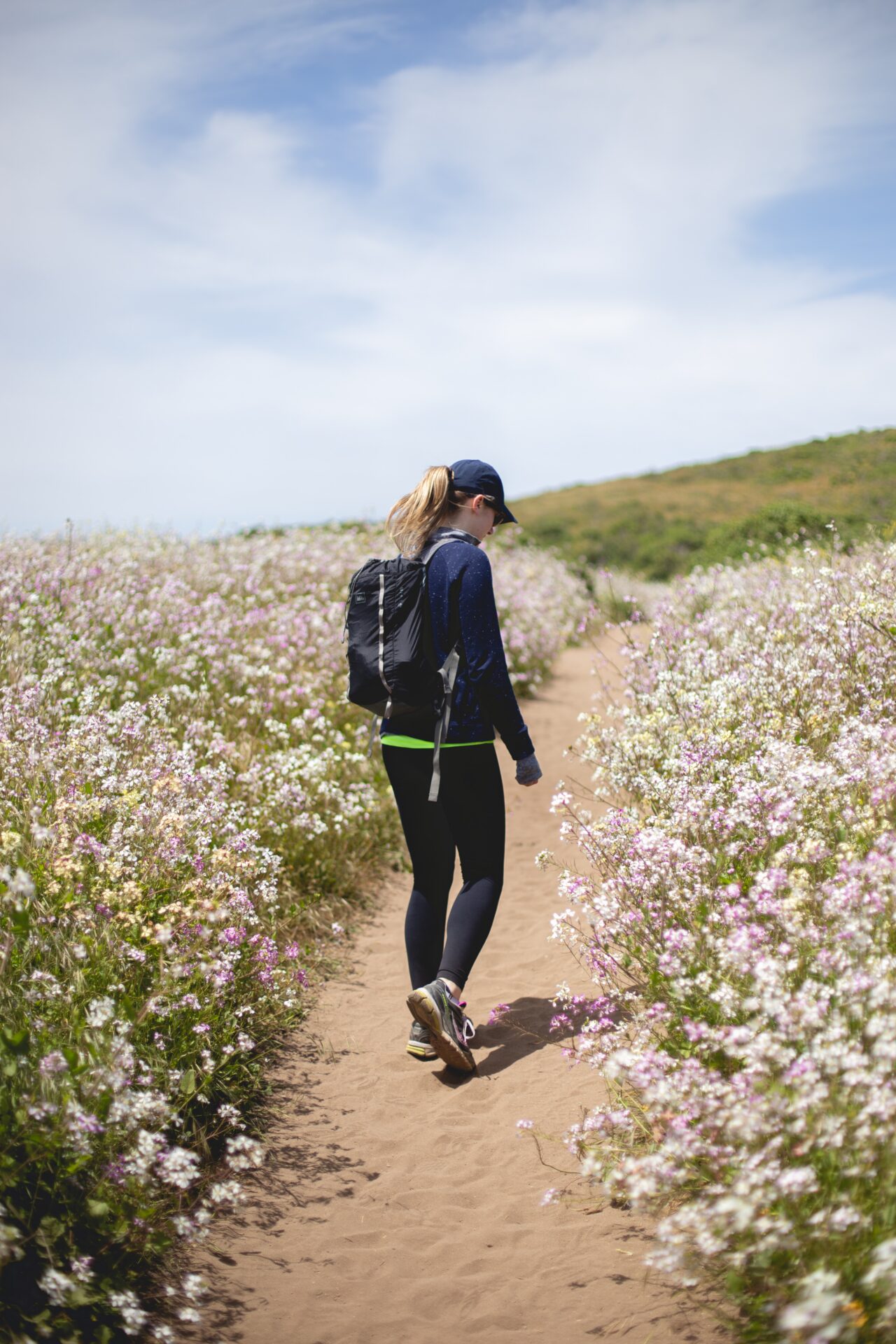

To write a fictional woman, an author must look beyond basic character traits and tap into the ancient, universal blueprints of the human psyche. As a novelist and a second-generation psychological astrologer, my understanding of human nature is deeply intertwined with the world of archetypes. Long before a character speaks her first line of dialogue on the page, I have seen into the internal landscape of her primal energies.

Archetypes are not stereotypes; they are living, breathing patterns of potential, challenge, and wisdom that exist within all of us. When we weave these deep psychological frameworks into contemporary narratives and magical feminism, we create characters who are beautifully bruised, profoundly resilient, and capable of navigating life’s most intense thresholds to find their own inner shimmer.


The Blueprint of the Psyche
When characters feel flat or inconsistent, it is often because they lack an archetypal anchor. Archetypes give a character a subconscious compass, driving their deepest motivations, fears, and ultimate transformations. Every deep soul journey begins with The Primal Archetype, which represents core blueprints like the Mother, the Mystic, or the Sovereign. To truly grow, this archetype must inevitably pass through The Shadow Encounter, a challenging threshold where the character must face their deepest wounds, fears, or hidden shame. Only by confronting these darker corners, can they finally emerge into The Inner Shimmer, fully reclaiming their personal power, resilience, and emotional wholeness.

By understanding a character’s core archetype, I can write their journey with raw honesty. A heroine driven by the Mystic energy will handle a crisis entirely differently than one stepping into her Sovereign power. These psychological blueprints allow the narrative to move beyond superficial plot points and dive straight into the authentic, emotional safety of a true soul-journey.


Archetypes in Action: Tending the Wild and the Wise
In my contemporary novels and magical-feminism collection, you can look behind the curtain to see how these psychological patterns form the emotional backbone of the story:

The Wild Woman & The Herbalist: In Sisters of the Silver Moon, my main character taps into the ancient, rooted archetype of the medicine woman. These are women intimately connected to the rhythm of mother nature, using the earth to heal both physical and emotional wounds.
The Alchemist: Grace Lysander in The Soapmaker embodies the archetype of transformation. By melting oils, blending botanicals, and working through the physical craft of her workshop, she is subconsciously processing her own trauma—turning raw, difficult experiences into something pure, soothing, and beautiful.
The Keeper of Thresholds: Across my upcoming 2026 novels, like Grandmother’s Button Tin (now published) and The Irish Dollmaker, the protagonists are often called to face deep transitions. They must confront the shadow side of their archetypes—such as isolation or generational grief—before they can fully step into their power.

Confronting the Shadow to Find the Light
A character cannot reach her true “happily ever after” or personal liberation without first confronting her shadow. The shadow is the part of the archetype that holds a character’s unexpressed pain, hidden fears, or societal conditioning.

True bravery isn’t the absence of fear. It’s a woman looking directly into the darkest corners of her own history, gathering up her fragmented pieces, and choosing to step into the light anyway.

In the second book of my trilogy, Behind Closed Doors, the characters are forced to examine the hidden, quiet spaces of their lives. By bringing these psychological shadows into the open air of a supportive community, they strip away the shame that keeps them small. This confrontation is the exact catalyst required to ignite their inner fire and push them toward absolute resilience.

An Invitation to Track Your Own Archetypes
As readers and writers, we are drawn to specific stories because they mirror the exact archetypal journey our own souls are navigating. The women on the fictional page serve as a comfort, a map, and a form of word medicine for our daily lives.

The next time you open a book and find yourself deeply moved by a character’s struggle or triumph, take a quiet moment to look closer. Ask yourself which primal energy is speaking to you. By recognising these ancient patterns on the page, we can better understand the shimmering potential unfolding within our very own lives.

Veronika Sophia Robinson
Author, Novelist, & Weaver of Word Medicine
🤍 🤍 🤍
You are warmly invited to step further into my literary sanctuary. Explore the complete collection of fiction and non-fiction books at Starflower Press, or discover the living map of your soul with a personal astrology reading at The Oracle. My celebrant training and celebrant masterclasses can be found at Heart-led Celebrants.



There is a story modern society sells us: creativity belongs solely to the young. Have you ever felt bombarded by “30 under 30” lists, tech-founder profiles, and youth-centric media that condition us to believe that if we haven’t published our masterpiece, secured our credentials, or found our true calling by our twenties or thirties, the door has somehow swung shut?

When I observe the shifting seasons, my silvering hair, and the deeply etched lines of my lived experiences, I can feel like I’m running out of time. Is my age a closing gate, I wonder, or a portal?


If there’s one thing I’ve learned, it is that my soul does not keep time by a standard calendar. Day by day, the lesson I’m learning is that true creativity is not a sprint; it is a wild, unhurried flowering that occurs exactly when the soil of my life has become rich, complex, and dark enough to sustain growth. Even though I can find it frustrating, the stories that matter most are rarely written in a rush.


The Unconventional Path
A few years ago, I decided to step across an exhilarating educational threshold: I applied for a Master’s Degree in Creative Writing at the University of Cumbria. This wasn’t just about entering an academic institution later in life—the reality was that I did not possess an undergraduate degree. Nothing about my life has been a strict, linear path. But, this I do know: empowerment comes when we take a leap. I was accepted into this Master’s Degree based on lived experience as an author and writer of life and love stories. This is where the wild flowering began—building my MA Creative Writing on the foundation of personal truth rather than rigid expectations.

I had no traditional academic background to present to the admissions board. What I did possess was a vast, sprawling landscape of non-traditional education: over three decades of walking alongside real families through life’s most intense thresholds as an international ceremonialist, listening to thousands of raw human stories of deep grief and ecstatic joy, of hope and heartache. So, I applied based entirely on my portfolio of lived experience and deep, soul-led intention. When the University of Cumbria opened its doors and accepted me, it was a profound, life-altering validation of a simple truth: life itself is the ultimate university.


Your path does not have to look like anyone else’s to be completely valid, deeply successful, and beautifully whole.


Why the Later Years Yield the Richest Prose
Entering a creative-writing program with decades of life behind me completely transformed how I approached the fictional page. When you write as a late bloomer, your ink is thick with real emotional currency. You don’t have to guess how heartbreak feels or how communities of women hold space for one another through difficult life transitions. You’ve lived it. You have sat by bedsides, held the hands of crying friends, and survived storms. 

Early-life prose often relies on abstract concepts. Decades of living and listening transforms writing into something entirely different: prose grounded in raw honesty and emotional safety.

My heroines—whether in The Soapmaker, The Gypsy Moon Trilogy, or my latest publication: Grandmother’s Button Tin—carry a rare emotional safety and raw honesty precisely because I, their creator, had to wait for my own internal wisdom to cure.

The stories that flow from my writing desk, here in my 300-year-old Cumbrian cottage, are far more textured than anything I could have written in my youth. The waiting was the essential fermentation process required to weave true word medicine.


Dismantling the Artificial Timeline
Are you holding a hidden creative fire inside your chest but feel censored by the clock? Here’s what I know: On the fells of Cumbria, the heather doesn’t apologise for blooming late in the Summer, long after the Spring flowers have faded. No, it doesn’t look at the daffodils of April and feel inadequate. Heather waits patiently for its own season, and when the moment arrives, I marvel at magnificent hillsides of untamed purple.

You are not running behind. You are exactly on time for the story your life. A traditional piece of paper doesn’t validate your vocation. Your passion and your lived history are your true credentials. Your creative capacity expands and is enriched by every single threshold you have courageously crossed. Magnificent endings may look nothing like your beginnings.


The Gift of Your History
Every wiry wrinkle, every strand of silver hair, every laughter line, and every wayward path you have walked becomes the raw material for your greatest work. When you write, paint, or speak from the perspective of your own history, you become a way-shower.

As I yield to the creak in my aging hips, I’m aware that the young may have speed, but the mature have depth; a perspective that comes from watching the wheels of time turn, seeing how generations connect, and understanding that the beautiful, bruised complexities of being human are exactly what make us magnificent.


An Invitation to Your Own Wild Blooming
This is my gentle invitation to you: take an unhurried look at your own unfulfilled creative narratives today.
• What is the story, the art piece, the business, or the dream that you have set aside because you whispered to yourself “My season has passed“?
• Can you muster the bravery to dismantle that false timeline and view your decades of life as your most potent creative fuel?

Trust the rhythm of your existence and allow yourself to flower wildly, beautifully, and entirely on your own terms. Your best chapters are still waiting to be written.


Sent with love from my writing desk in the wild fells of Cumbria,

Veronika Sophia Robinson
Author, Novelist, & Weaver of Word Medicine


You are warmly invited to step further into my literary sanctuary. Explore the complete collection of fiction and non-fiction books at Starflower Press, or discover the living map of your soul with a personal astrology reading at The Oracle. My celebrant training and celebrant masterclasses can be found at Heart-led Celebrants.


From mountains of Australia where the wild creeks gently ran,
My lifetime spent with stories and a magic pen began.

Now nestled in a cottage where the Cumbrian fells arise,
I chart the sacred movements of the stars across the skies.

With feline guides beside me, dear Pelé and Kali near,
I capture whispered medicine to quiet grief and fear.

I walk the thresholds, holding spaces between birth and death,
And weave the ancient rituals that honour every breath.

My contemporary novels speak of community and grace,
While sweet romance and lifestyle paths find their eternal place.

A channel for the cosmos, and a weaver of the soul,
I use the power of narrative to make the bruised heart whole.


Sent with love from my writing desk in the wild fells of Cumbria,

Veronika Sophia Robinson
Author, Novelist, & Weaver of Word Medicine
From my 300-year-old cottage, I write to celebrate the beautiful, bruised complexities of the human soul.
🤍 🤍 🤍
You are warmly invited to step further into my literary sanctuary. Explore the complete collection of fiction and non-fiction books at Starflower Press, or discover the living map of your soul with a personal astrology reading at The Oracle. My celebrant training and celebrant masterclasses can be found at Heart-led Celebrants.
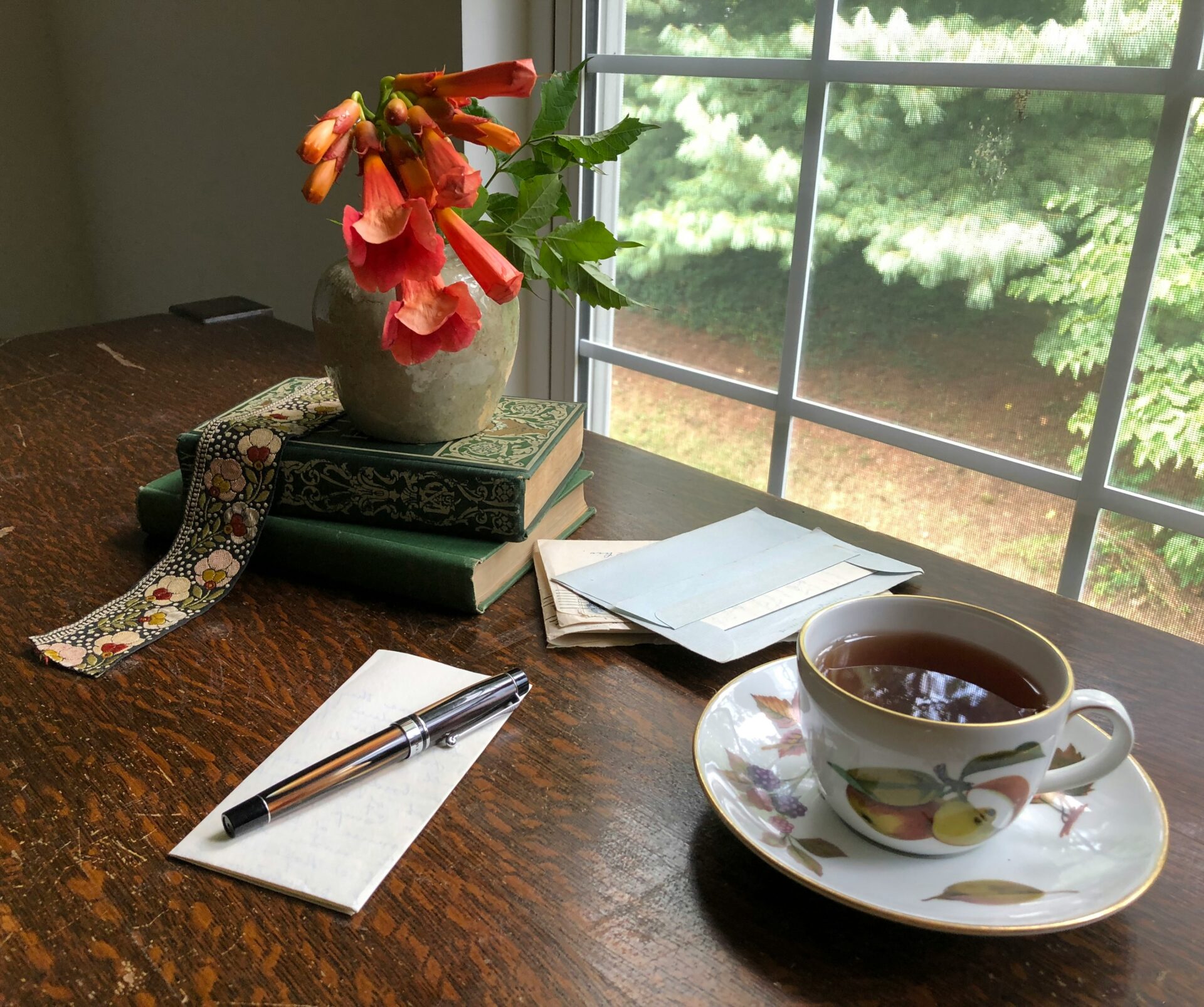
 

At my local mediumship-development circle this week, our teacher Margaret gave us a homework prompt: write about your strongest emotion and the opposite emotion. What does this mean? Is the opposite of strong, weak? Or does my teacher mean an emotion that feels dramatically different?

Here are my thoughts, and if they resonate in any way, I’ve included a ritual at the end for you.

Grief and gratitude, I have learned, are born of the same sacred devotion, inseparable as the soil and the rain. So, while they may feel opposite, they are hand-holding twins.


To grieve is to sit quietly beneath my apple trees when the frost has taken the blossom, resisting the heavy wintering of my soul. A cold, unrelenting downpour drenches the fells, matching my inner landscape: a quiet, mist-shrouded sanctuary of solitude. In this dark space, I ask grief for a cure. I listen as it demands I feel the hollow weight in my chest. A deep and unhurried stillness settles where time slows to a stop. I am still.


A physical ache so raw.
Winter before the thaw.


Life has taught me that this profound darkness is precisely what births its apparent opposite: the soulful singing of gratitude is like a blackbird at daybreak. From the same heart that begrudgingly pumps during the pummelling punch of sorrow, gratitude rises like petrichor after a sudden Summer storm, a sharp inhale of life that drapes my weary shoulders in golden sunshine. Together, grief and gratitude are anchored by the awareness of birdsong at dawn, the velvet of green moss, and the balm of walking barefoot on cool, damp grass. This is a triumphant ascendancy to the beauty of what remains.

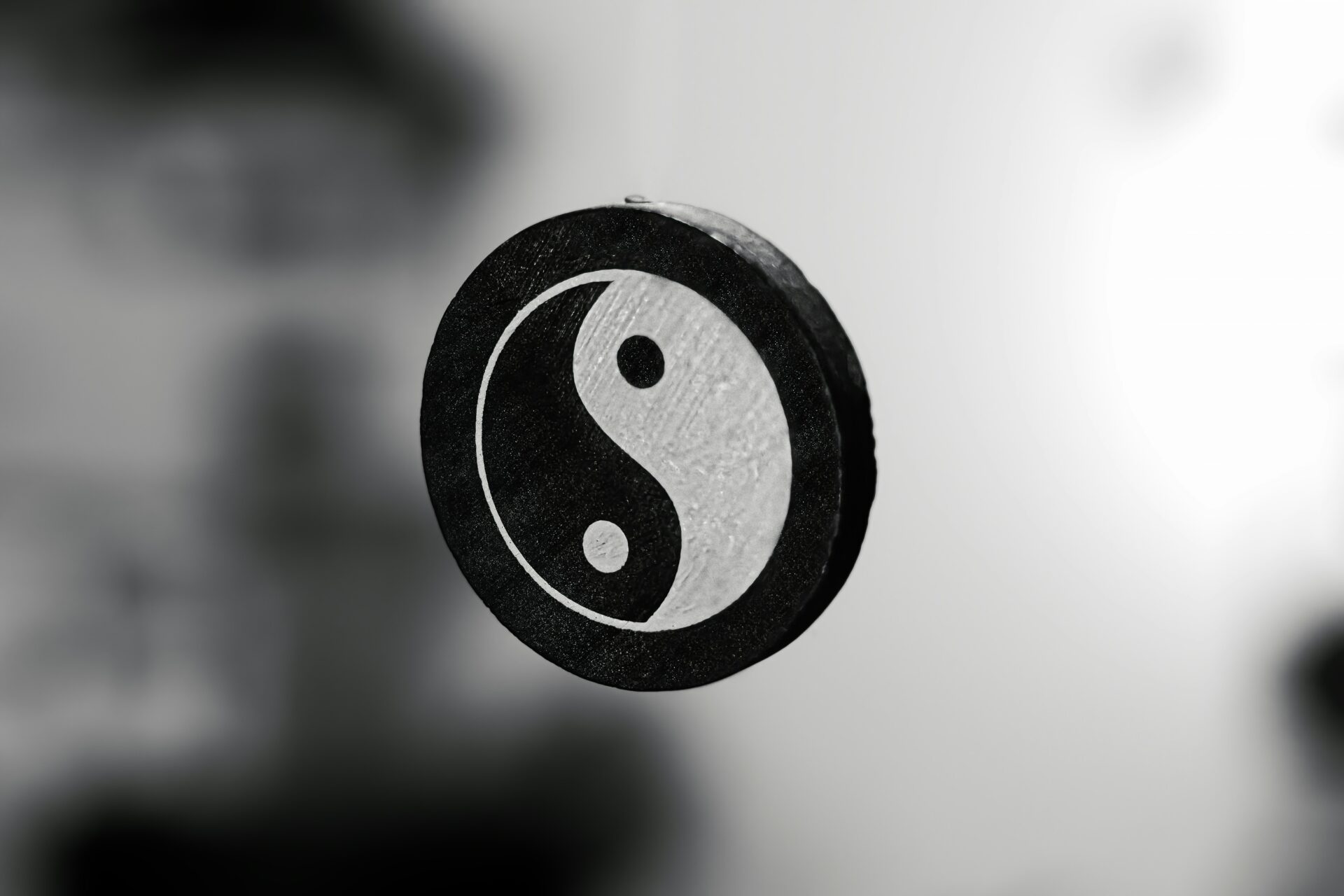
Grief and gratitude, the yin and yang of my emotional climaxes and cleanses, cannot exist in isolation; they flow from the exact same well, each sharing the centre of the other. Grief is the heavy price I pay for the profound privilege of having loved and been loved. Gratitude shatters that cost, no more or less sacred than the gruelling girth of grief.


The soil of sorrow’s dark, fertile depths give the vibrant blooms of thankfulness a home in which to root. My heart, my life, one long holy ritual: holding on and letting go.


🤍 🤍 🤍


Ritual: Soil, Rain, and Blossom
If you too are exploring and experiencing the emotional continuum of grief and gratitude, this simple ritual can be performed at home or in a quiet outdoor space to synthesise the heavy weight of sorrow and the awakening of thankfulness.

Symbolic Ritual Items
🌱 A small bowl of rich, dark earth (symbolising the fertile Winter of grief)
💧 A small vessel of water (symbolising your tears, rain, and cleansing)
🌸 A single fresh leaf, blossom, or flower petal (symbolising the bloom of gratitude)


Choreography
Rooting in the Dark (Your Grief)
Place your hands flat onto the bowl of earth. Close your eyes and breathe deeply. Allow yourself to feel the heavy, cool stillness of the soil. Acknowledge whatever ache, empty space, or sorrow lives inside you right now. Say aloud or silently:


“I honour the dark Winter of my soul.
This pain is the sacred proof that I have loved deeply.”


The River of Release (The Bridge You Cross)
Dip your fingers into your chosen vessel of water. Gently sprinkle a few drops onto the soil. Watch how the soil absorbs the water, just as the human spirit absorbs the teaching of our tears. Recognise that your sorrow softens your heart, making it ready for new life. When you’re ready, say aloud or silently:


“My tears are the rain
that softens the hard ground.
I allow the flow.”


Awakening (Your Gratitude)
Pick up the fresh leaf or blossom. Hold it gently to your heart, feeling the life within. Inhale deeply—like breathing in the smell of petrichor after a storm. Focus entirely on a beautiful memory you are thankful for. When you’re ready, say aloud or silently:


“I awaken to the sunrise.
I carry the love forward,
and I am wholeheartedly grateful for the beauty that remains.”


Closing the Circle
Place the blossom on top of the watered earth. Leave the bowl on a windowsill or beneath a tree as a living testament to the truth that grief and gratitude live in the exact same sacred space.


🤍 🤍 🤍


Sent with love from my writing desk in the wild fells of Cumbria,

Veronika Sophia Robinson
Author, Novelist, & Weaver of Word Medicine
I hold space for the dark soil of our grief and the soft rain of our gratitude, weaving word medicine to honour life’s intense thresholds. From my 300-year-old cottage, I write to celebrate the beautiful, bruised complexities of the human soul.
🤍 🤍 🤍
If this blog touched your heart, you are warmly invited to step further into my literary sanctuary. Explore the complete collection of fiction and non-fiction books at Starflower Press, or discover the living map of your soul with a personal astrology reading at The Oracle. My celebrant training and celebrant masterclasses can be found at Heart-led Celebrants.

 

Perhaps it’s because of my work as a funeral celebrant or because of the different times I’ve walked the path of grief, but I find the unsolicited serving up of platitudes can demean a fellow human’s feelings.

Platitudes are the words we wear when we don’t know what else to say. Spiritually, platitudes are a paradox. On one hand, they act as thought-terminating clichés that bypass empathy and silence the suffering of the moment. They serve the speaker of those words, not the recipient. The ego helps us to ward off the uncomfortable. Retreating from someone else’s pain takes us away from being present.


We speak platitudes to hide the raw edges of grief or pain. And yet, beneath their veneer lies a universal truth—a desperate human desire to connect.

We offer them like sacred talismans:

Everything happens for a reason
Time heals all wounds
It is what it is

Perhaps platitudes were formed on the bedrock of collective human wisdom or even survival? We repeat them because we sense the seed of the universal human stories within them. The desire to connect with another isn’t the problem, of course, it’s the mindless recitation of words that don’t help another to heal.

To walk a mindful path, let us swap the easy answer for the heavy, beautiful act of sitting with someone in the dark. Unsure how?


Instead of saying They are in a better place perhaps you could say:

I am holding space

for the massive absence left behind.


Everything happens for a reason dismisses a person’s pain. How about saying:

This is deeply unfair,

and you do not have to find a lesson in it.


God doesn’t give you anything you can’t handle does not help a person. Why not support them with:

You shouldn’t have to be this strong right now.

I am here in the weakness with you.


When someone’s future is uncertain, you might be tempted to soothe things over with words like: It will all work out in the end. Or, you could enter into presence and say:

I don’t know how this unfolds,

but you will not walk through the unknown alone.


If you find yourself in the company of someone who is suffering deeply, instead of telling them to be positive or cheer up or look on the bright side, you could say:

I am ready to sit with you in the dark

for as long as it takes.

Sent with warmth and compassion from my writing desk in the wild fells of Cumbria,

Veronika Sophia Robinson

Author, Novelist, & Weaver of Word Medicine
🤍 🤍 🤍
If this blog touched your heart, you are warmly invited to step further into my literary sanctuary. Explore the complete collection of fiction and non-fiction books at Starflower Press, or discover the living map of your soul with a personal reading at The Oracle. My celebrant training and celebrant masterclasses can be found at Heart-led Celebrants.


Welcome to my dictionary of the soul, where I inhabit the quiet, beautiful words that shape my everyday world. Read more