At my local mediumship-development circle this week, our teacher Margaret gave us a homework prompt: write about your strongest emotion and the opposite emotion. What does this mean? Is the opposite of strong, weak? Or does my teacher mean an emotion that feels dramatically different?
Here are my thoughts, and if they resonate in any way, I’ve included a ritual at the end for you.
Grief and gratitude, I have learned, are born of the same sacred devotion, inseparable as the soil and the rain. So, while they may feel opposite, they are hand-holding twins.
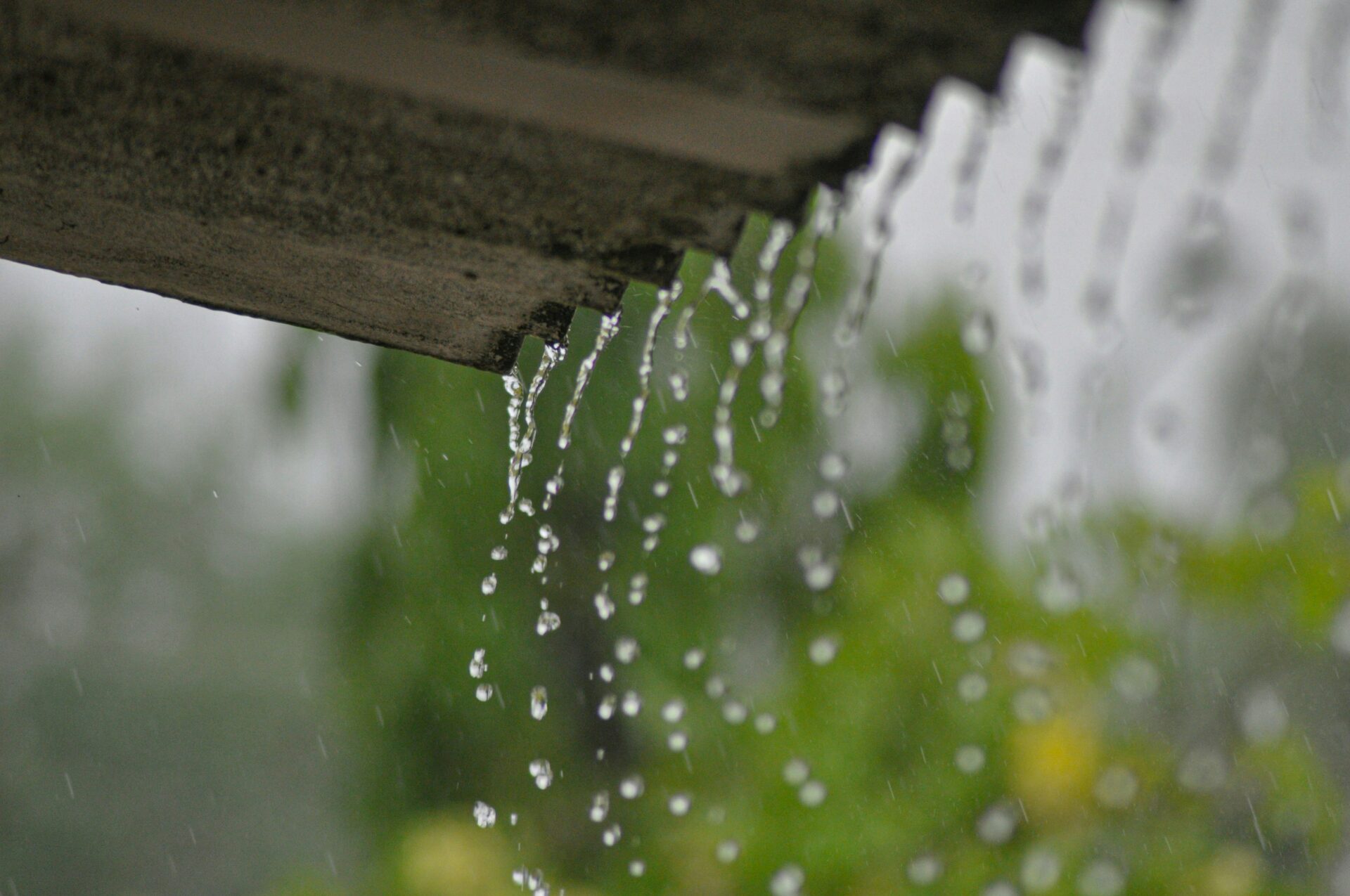
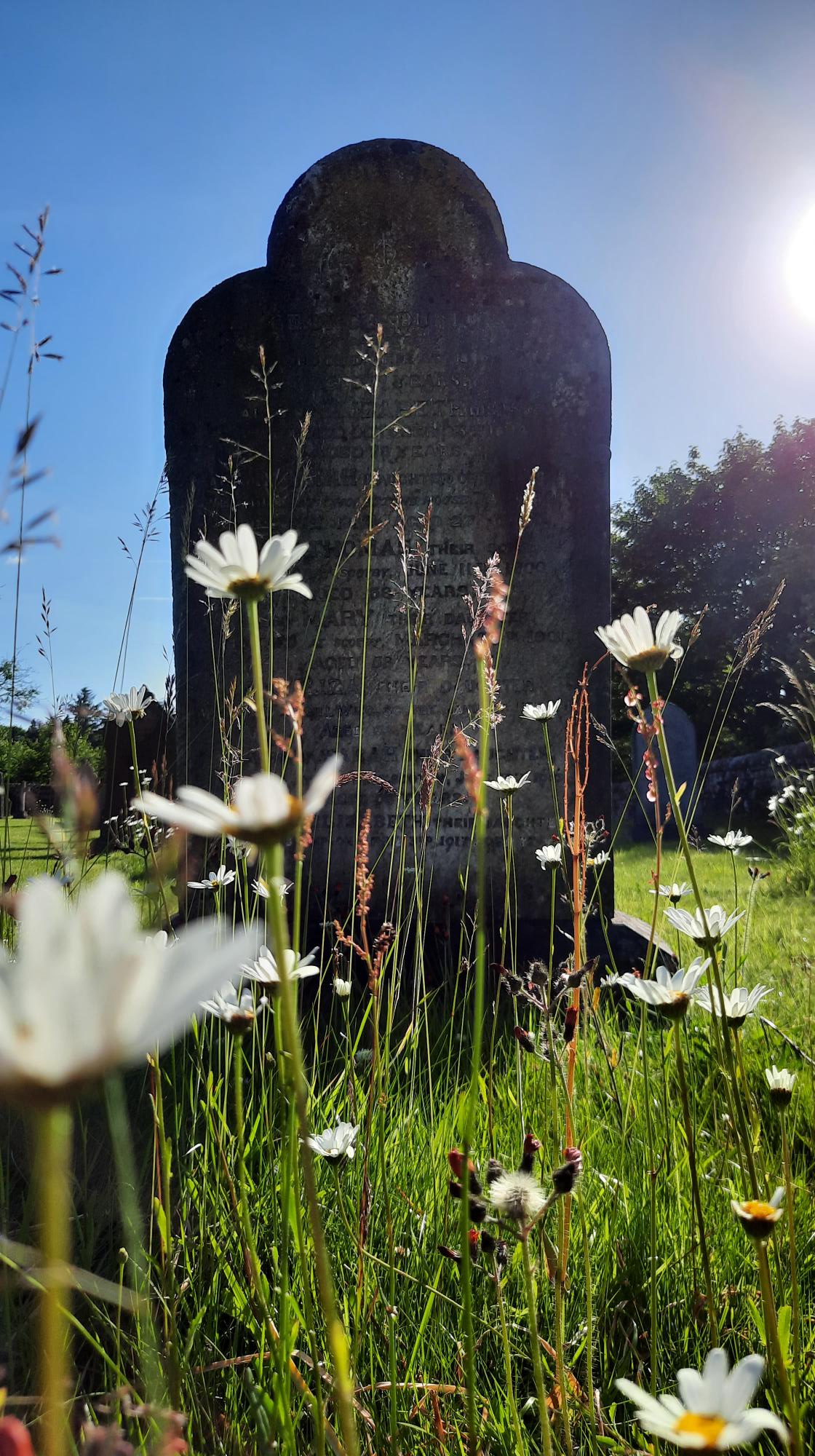
To grieve is to sit quietly beneath my apple trees when the frost has taken the blossom, resisting the heavy wintering of my soul. A cold, unrelenting downpour drenches the fells, matching my inner landscape: a quiet, mist-shrouded sanctuary of solitude. In this dark space, I ask grief for a cure. I listen as it demands I feel the hollow weight in my chest. A deep and unhurried stillness settles where time slows to a stop. I am still.
A physical ache so raw. Winter before the thaw.
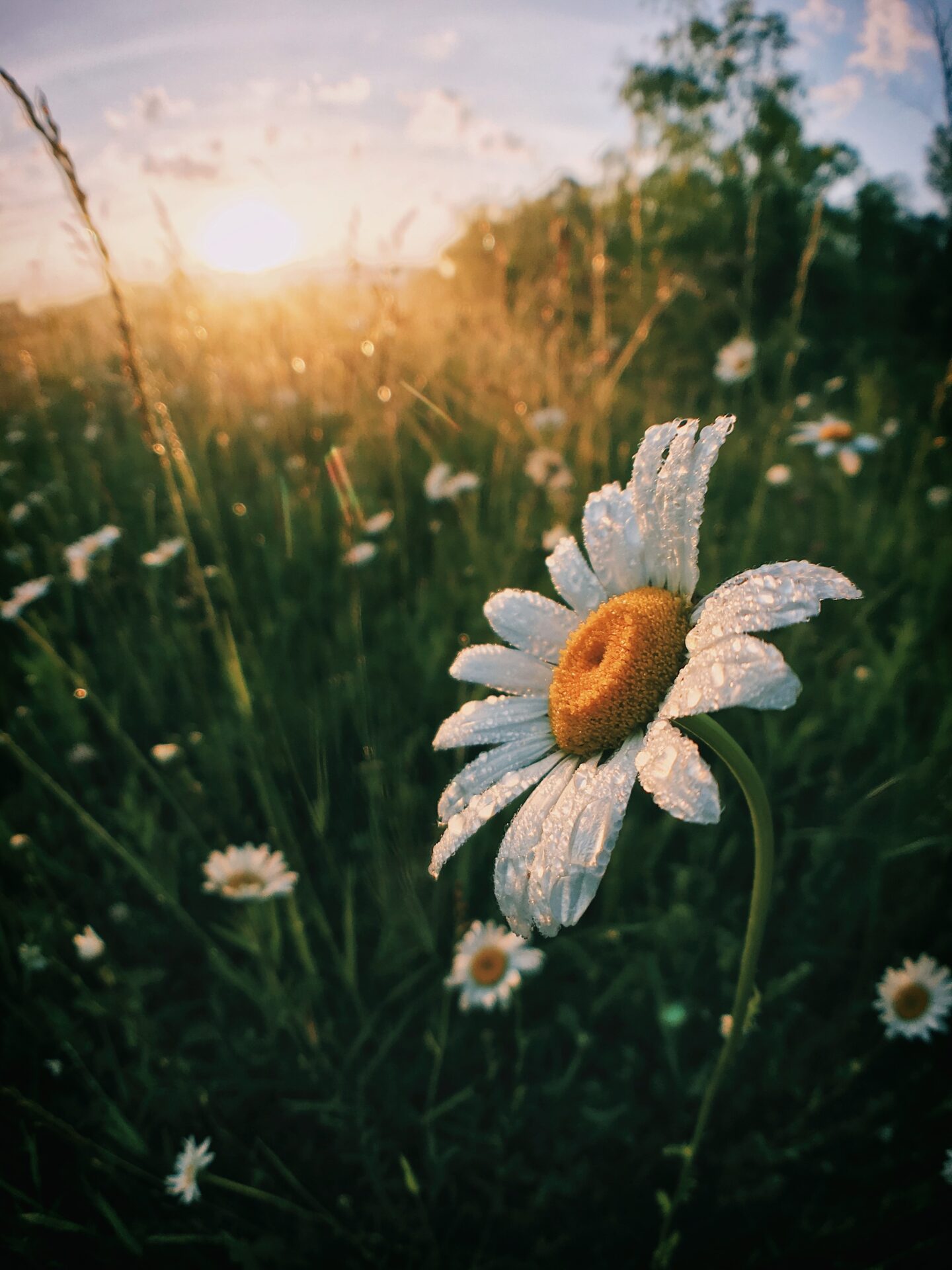
Life has taught me that this profound darkness is precisely what births its apparent opposite: the soulful singing of gratitude is like a blackbird at daybreak. From the same heart that begrudgingly pumps during the pummelling punch of sorrow, gratitude rises like petrichor after a sudden Summer storm, a sharp inhale of life that drapes my weary shoulders in golden sunshine. Together, grief and gratitude are anchored by the awareness of birdsong at dawn, the velvet of green moss, and the balm of walking barefoot on cool, damp grass. This is a triumphant ascendancy to the beauty of what remains.
Grief and gratitude, the yin and yang of my emotional climaxes and cleanses, cannot exist in isolation; they flow from the exact same well, each sharing the centre of the other. Grief is the heavy price I pay for the profound privilege of having loved and been loved. Gratitude shatters that cost, no more or less sacred than the gruelling girth of grief.
The soil of sorrow’s dark, fertile depths give the vibrant blooms of thankfulness a home in which to root. My heart, my life, one long holy ritual: holding on and letting go.
🤍 🤍 🤍
Ritual:Soil, Rain, and Blossom If you too are exploring and experiencing the emotional continuum of grief and gratitude, this simple ritual can be performed at home or in a quiet outdoor space to synthesise the heavy weight of sorrow and the awakening of thankfulness.
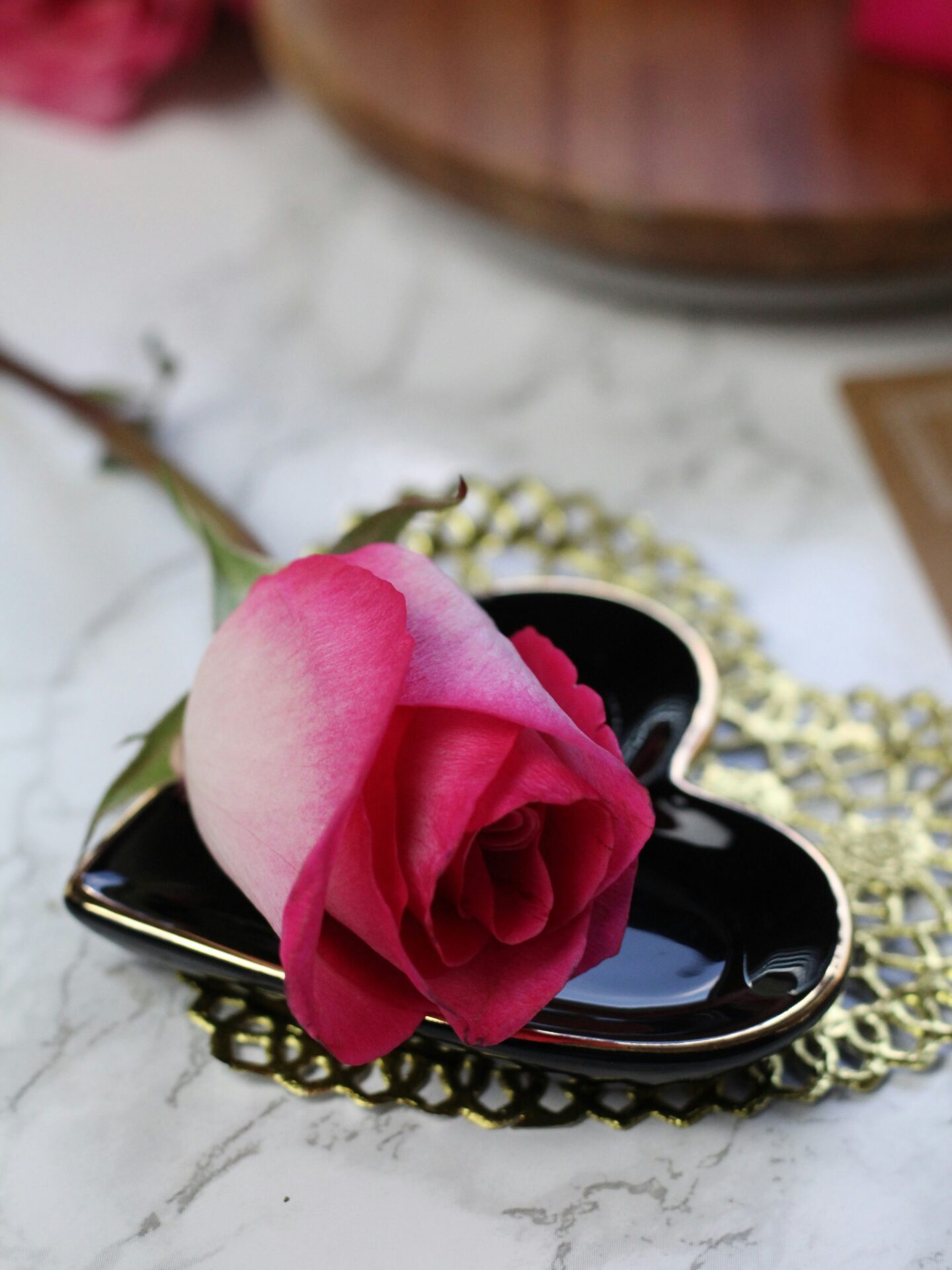
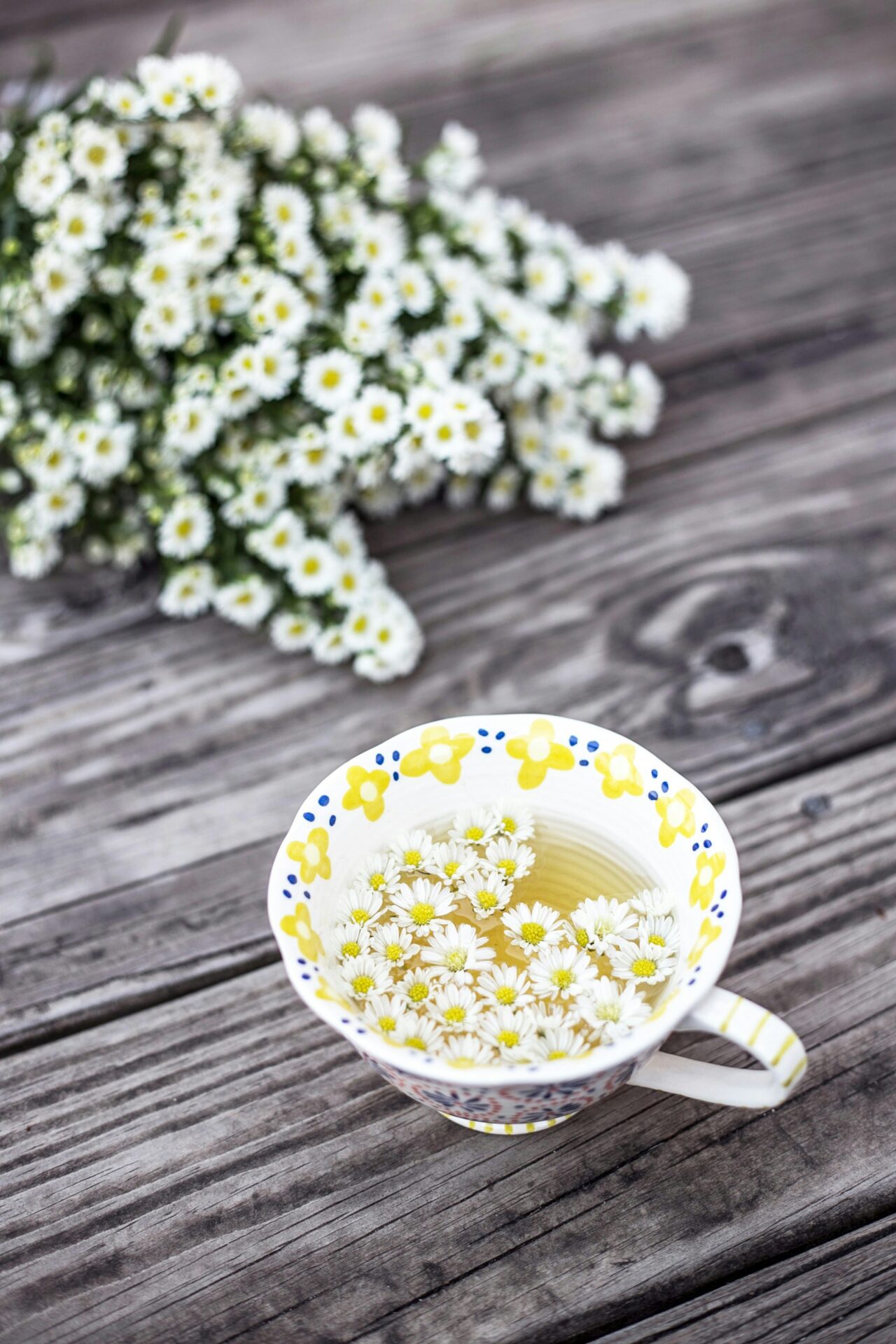
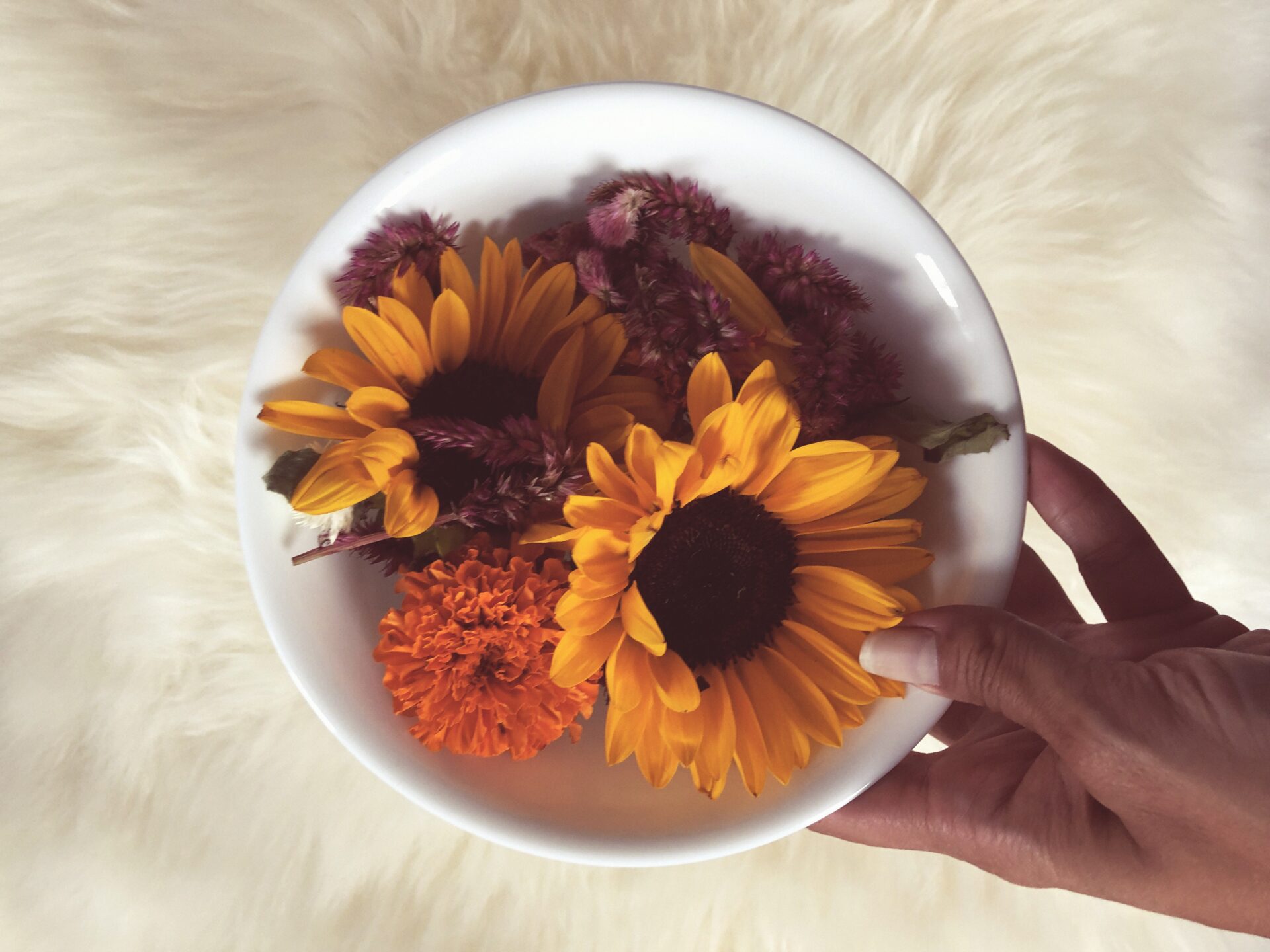
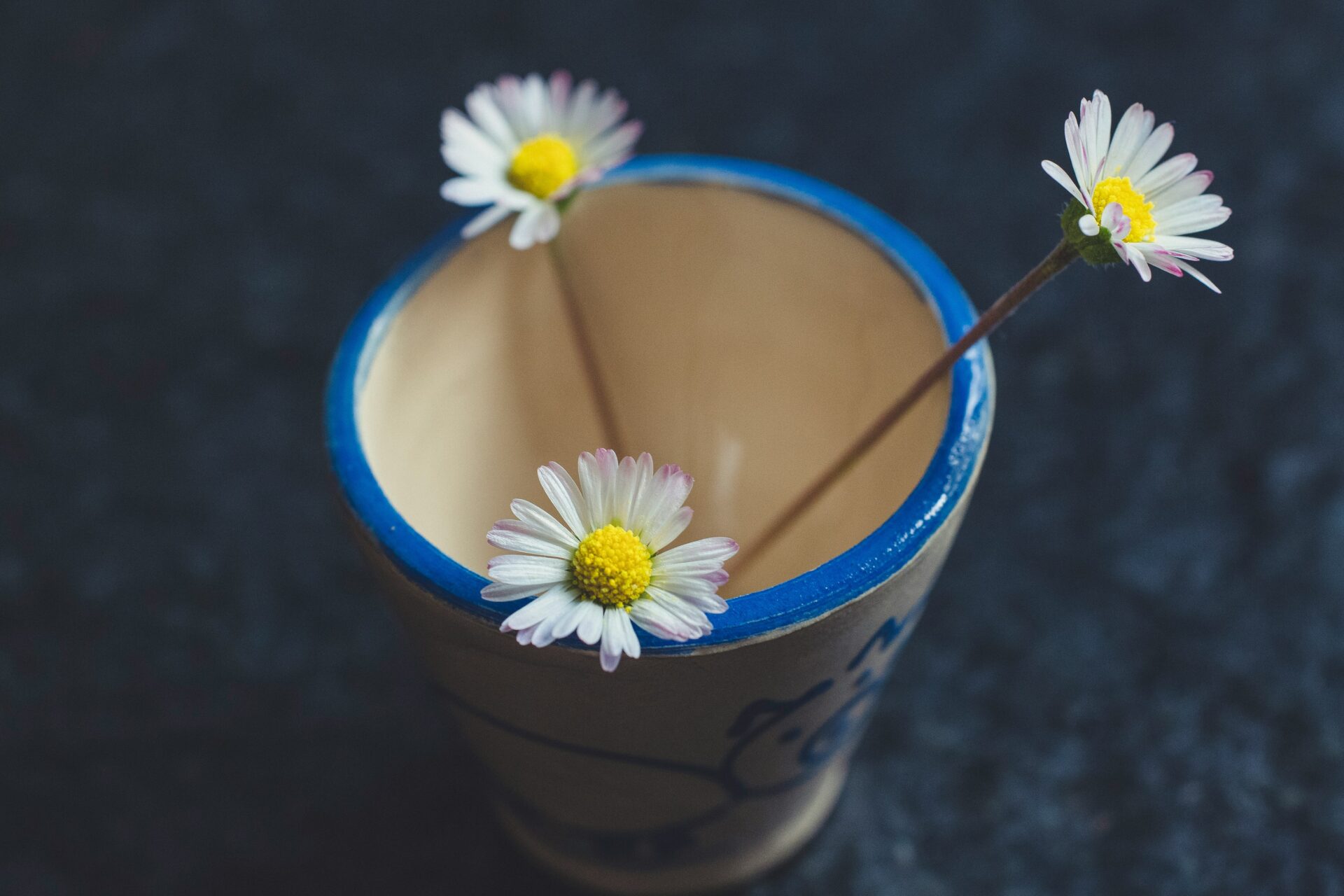
Symbolic Ritual Items 🌱 A small bowl of rich, dark earth (symbolising the fertile Winter of grief) 💧 A small vessel of water (symbolising your tears, rain, and cleansing) 🌸 A single fresh leaf, blossom, or flower petal (symbolising the bloom of gratitude)
Choreography Rooting in the Dark (Your Grief) Place your hands flat onto the bowl of earth. Close your eyes and breathe deeply. Allow yourself to feel the heavy, cool stillness of the soil. Acknowledge whatever ache, empty space, or sorrow lives inside you right now. Say aloud or silently:
“I honour the dark Winter of my soul. This pain is the sacred proof that I have loved deeply.”
The River of Release (The Bridge You Cross) Dip your fingers into your chosen vessel of water. Gently sprinkle a few drops onto the soil. Watch how the soil absorbs the water, just as the human spirit absorbs the teaching of our tears. Recognise that your sorrow softens your heart, making it ready for new life. When you’re ready, say aloud or silently:
“My tears are the rain that softens the hard ground. I allow the flow.”
Awakening (Your Gratitude) Pick up the fresh leaf or blossom. Hold it gently to your heart, feeling the life within. Inhale deeply—like breathing in the smell of petrichor after a storm. Focus entirely on a beautiful memory you are thankful for. When you’re ready, say aloud or silently:
“I awaken to the sunrise. I carry the love forward, and I am wholeheartedly grateful for the beauty that remains.”
Closing the Circle Place the blossom on top of the watered earth. Leave the bowl on a windowsill or beneath a tree as a living testament to the truth that grief and gratitude live in the exact same sacred space.
🤍 🤍 🤍
Sent with love from my writing desk in the wild fells of Cumbria,
Veronika Sophia Robinson Author, Novelist, & Weaver of Word Medicine I hold space for the dark soil of our grief and the soft rain of our gratitude, weaving word medicine to honour life’s intense thresholds. From my 300-year-old cottage, I write to celebrate the beautiful, bruised complexities of the human soul. 🤍 🤍 🤍 If this blog touched your heart, you are warmly invited to step further into my literary sanctuary. Explore the complete collection of fiction and non-fiction books at Starflower Press, or discover the living map of your soul with a personal astrology reading at The Oracle. My celebrant training and celebrant masterclasses can be found at Heart-led Celebrants.
Perhaps it’s because of my work as a funeral celebrant or because of the different times I’ve walked the path of grief, but I find the unsolicited serving up of platitudes can demean a fellow human’s feelings.
Platitudes are the words we wear when we don’t know what else to say. Spiritually, platitudes are a paradox. On one hand, they act as thought-terminating clichés that bypass empathy and silence the suffering of the moment. They serve the speaker of those words, not the recipient. The ego helps us to ward off the uncomfortable. Retreating from someone else’s pain takes us away from being present.
We speak platitudes to hide the raw edges of grief or pain. And yet, beneath their veneer lies a universal truth—a desperate human desire to connect.
We offer them like sacred talismans:
Everything happens for a reason Time heals all wounds It is what it is
Perhaps platitudes were formed on the bedrock of collective human wisdom or even survival? We repeat them because we sense the seed of the universal human stories within them. The desire to connect with another isn’t the problem, of course, it’s the mindless recitation of words that don’t help another to heal.
To walk a mindful path, let us swap the easy answer for the heavy, beautiful act of sitting with someone in the dark. Unsure how?
Instead of saying They are in a better place perhaps you could say:
I am holding space
for the massive absence left behind.
Everything happens for a reason dismisses a person’s pain. How about saying:
This is deeply unfair,
and you do not have to find a lesson in it.
God doesn’t give you anything you can’t handle does not help a person. Why not support them with:
You shouldn’t have to be this strong right now.
I am here in the weakness with you.
When someone’s future is uncertain, you might be tempted to soothe things over with words like: It will all work out in the end. Or, you could enter into presence and say:
I don’t know how this unfolds,
but you will not walk through the unknown alone.
If you find yourself in the company of someone who is suffering deeply, instead of telling them to be positive or cheer up or look on the bright side, you could say:
I am ready to sit with you in the dark
for as long as it takes.
Sent with warmth and compassion from my writing desk in the wild fells of Cumbria,
Veronika Sophia Robinson
Author, Novelist, & Weaver of Word Medicine If this blog touched your heart, you are warmly invited to step further into my literary sanctuary. Explore the complete collection of fiction and non-fiction books at Starflower Press, or discover the living map of your soul with a personal reading at The Oracle. My celebrant training and celebrant masterclasses can be found at Heart-led Celebrants.
http://veronikarobinson.com.temp.link/wp-content/uploads/2014/08/singlecosmos.jpg585585Veronika Sophia Robinsonhttps://veronikarobinson.com/wp-content/uploads/2025/04/Updated-logo-colour.pngVeronika Sophia Robinson2026-06-11 07:05:182026-06-11 07:12:32Sitting in the Dark: Why Platitudes Fail Us in Grief
Today’s the one-year anniversary since my beautiful mother slipped from this earthly life. A year that feels like a day while also feeling like a hundred years have passed. How is that? What delusion does grief spin? I’ve just been on a video call with two of my brothers, and shared the disbelief that a whole year has passed by with such speed.
This photo is from the last time mum came to England and stayed with us for a few months. I keep it on my fridge. And when I think that beautiful woman is now ‘dust’, it shocks me every single time.
Grief steals many things. Most of them are quite obvious, but the one we don’t talk about is the poaching of time. I’m in a time warp, and more conscious of my own mortality than I’ve ever been. Time is slipping away. With my 60th birthday next year, already I’m thinking ‘why bother’ about so many things from the mundane ‘necessary’ dental work to life-enhancing dreams. What’s the point, I wonder. I’ll be dead soon enough anyway. I feel as if I’m already slipping away from this life.
Mum with me on my wedding day
Not everyone loves their mother or holds her in such high regard as I do mine, I know that. Not everyone whose mother has died will relate to what I’m sharing. What I do know, though, and what is true for me, is that even a year later this grief feels so hard. When I walk by my mother’s photos, it stops me. That beautiful smile. My mama. The woman who held me, bathed me, dressed me, played games with me, made (and still makes) me laugh with her sense of mischief. The woman who inspired me like no other. And then I think of the reality: her physical body, the one that loved me so much, is nothing more than cremains (cremated remains). How it that possible? And with that question lurks the one that plays on my mind every single day now. What is the point of anything?
I often think of my mother’s life, and all her joys and sorrows, creativity and obstacles, loves and losses. All the hard work, all the years raising eight children, all the… And now she’s gone. I know this applies to every human who’s ever come to this Earth, but this high-definition imagery of my mother living her life, and then gone, just ‘gets’ me in a way nothing else in my life ever has. I grew in her womb. I was one with her. If she’s ‘gone’, then where and who am I?
Mum outside the little hut she built on Mt. Arthur in Tasmania.
Everything I’ve believed in for so long, different spiritual ‘ideas’ and practices, are now almost meaningless. I beg the Universe to answer me: do I have free will or am I just a puppet on a string? I don’t want to be a puppet on a string, I yell. I’m not your toy! Of course, I don’t know the answer. What I do know, is that I’m questioning things that have long been my mainstay, my inner truth. Sometimes I look at all the books on my shelves, those portals into knowledge and wisdom, that I’ve valued for deep esoteric teachings and as each day passes, I’m tempted to burn everything. Nothing gives me any answer as to human suffering. Mine or that of other people.
With my mum when I was about 21.
The first time I ever saw my mother cry was when I was about ten, and she’d found out her mother had died. My grandmother lived in Germany, and I never had the privilege of meeting her though I loved to write and receive letters from her. But those tears my mother shed? I only wish I could have held her in the way I’ve needed holding. The grief she’ll have felt, not to mention regret at living overseas far away from her for a couple of decades, will have been unbearable. And I’ve no doubt that she, like me, will have also felt grief for the losses in her mother’s life.
My mother’s mother
The mother-daughter bond (for better or for worse) is unlike any other relationship. Sometimes daughters think that difficult relationships with mothers are better served by estrangement. This is not true, and death will wallop just as hard, if not harder, than for those whose relationship was less complicated.
My mother’s eight children, in age order. Left to right: Wolf, Heidi, Horst, Veronika, Ramona, Cam, Rene and Albert reunited for our father’s funeral.
The death of a loved one changes us. I mean, it has to, right? Otherwise, what’s the point of going through that emotional torture? Perhaps my torture has been amplified by the nature of the work I do as a funeral celebrant whereby I walk alongside people in their grief. The weeks leading up to and after my mother’s death were unlike anything I’d experienced before as a funeral celebrant (even though I’ve had extremely difficult funerals, such as child funerals and officiating my best friend’s cremation service and later, her memorial). What made them so hard was that each time I said the words of committal for someone’s mother, or read a tribute that said “I love you Mum. You’re my best friend,” or had to listen to music with the lyrics “You gave me my name and the colour of my eyes,”, I would just die inside. My mourners had no idea what was happening in my private life. The day my Mum died, I had to work. Several months earlier, I’d organised to host and facilitate a retreat for funeral celebrants on creating beautiful bereavement ceremonies. The irony! There was no calling it off. Not only had I been officiating funerals all the way up to my mother’s death, I then had four days of intense focus on teaching about grief. And then straight back to funeral work. I don’t share this for pity (that never helped anyone anyway), but because the reality is this year has challenged me on many levels, personally and professionally.
My role as a funeral celebrant has never felt so difficult as it has in this last year.
Maybe I’ve just not had enough space to step into ‘grief-free’ happy spaces for long enough to enable some recalibration. Apart from my mother’s death last year, the only other thing I remember with any clarity was a week away in the Scottish Highlands walking the Great Glen Way with my friend Angela. When I replay some of the videos we made, it makes me smile to see how much laughter we shared. I yearn for my life to be filled with that sort of belly-aching laughter and joy all the time. Everything else about 2025 is a blank. This past year has been like walking through the thickest fog I’ve ever known. What are you meant to do in fog? The high beam doesn’t work. The low beam doesn’t work. How am I supposed to see my way forward? Despite my spiritual beliefs, this grief has been unlike anything I’ve ever experienced. There are still so many moments where I see a lovely card somewhere and think “Oh, I’ll get that for mum.” And then that realisation a few seconds later… Or when her birthday and Christmas came around, and ‘reminder’ emails from the florist I used to use to send her flowers land in my inbox asking me if I’d like to order a bouquet. A horrible reminder that I’ll never, ever, ever, ever again have the pleasure and privilege of brightening her day with flowers. That hurts.
Me and my mum
I’ve known grief a number of times now, but the most significant ones have been those of my parents and best friend Pam. This coming Christmas Day will mark ten years since Pam chose to end her life. At no level of my being is it possible to believe that a decade has gone by. I’m past that stage of thinking “I must tell Pam…” but I do have times where I see someone in the street who maybe had the same hair cut or dress style, and I think “Oh, there’s Pam!” Those moments are akin to being hit by a truck. I gather myself before the tears start. And then there are the funerals I officiate where they have one of the pieces of music we had at her funeral. I walk up the aisle of the crematorium just wanting to curl into foetal position.
Next month, on the equinox, it will be fourteen years since my father was killed in a car crash in Australia. My father’s death has integrated a bit more, finally, but I can still have tears turn up from nowhere. That he died aged 77, the age my husband is now, nags at me.
For the uninitiated into grief, anticipatory grief can be harder than when we experience a sudden death. Yes, sure, we get a chance to say goodbye but we’re also grieving twice. Before and after. While we’re waiting around for them to die, we’re grieving for tomorrow. The tomorrows where they won’t be there. And even when you’re expecting it, somehow nothing prepares you for the moment. The moment when… For me, just knowing my mum was still alive, her heart beating strong as an ox, even when deep in coma, right to the last beat somehow lulled me into a sense of hope. Where there’s life there’s hope, right? I was wrong. Despite the ridiculous amount of crying I’d done in the previous two months, when my brother phoned me during the night, UK time, to say she’d died, it hit me hard. She’s gone.
Hopefully she’s dancing with my father again
I’ve spoken sternly to the Universe and have made it quite clear that I’m in no shape to receive any more grief, thanks. And yet, I look at my family (I’m one of eight children) and friends and think “fuck, unless I go first, I’ll be saying goodbye to you too”. With that, I’m flicking pesky tears off my cheeks. “No,” my heart says. “Just NO!” I think of their beautiful faces and loving hearts, and I just can’t imagine them not being here in that form anymore. And yet, despite that, I know that death is a change of form. Nothing ever really dies. But grief doesn’t want me to know that. Grief says “How many ways can I pull at that heart of yours or bring up memories you’d long forgotten?”
I realise that it might seem I’m indulging and wallowing in self pity. Maybe I am. Or maybe it’s because, dear reader, that we live in a grief-illiterate culture and people just want the bereaved to crawl under a rock and shut the fuck up so that they don’t darken anyone else’s day. That’s how it feels. I know that, apart from work, I’ve become even more of a hermit than ever before. Life feels kinder that way. There’s no risk of someone saying something which stings, like “I don’t need to offer you condolences because of your strong spiritual beliefs.” Or, “Are you over your mother’s death yet?” I WILL NEVER BE OVER MY MOTHER’S DEATH! And, as I say that, I’m also happy that she is out there, as stardust, at one with the Universe. She’s exactly where she wanted to be: in her light body.
The children’s book my mother wrote and illustrated.
Grief the gift-giver Perhaps if you don’t know me well or at all, it might be hard to believe that I am, by nature, an optimist and grateful about my life, even though I’ve felt like a shadow of my former self this past year. What hasn’t changed is the way I start each day where I give thanks for my beautiful life. I’m grateful that practice hasn’t changed. When I take myself off for walks in the woods, I give thanks that I live in such a beautiful part of the world and have a working life that affords me freedom to walk in between pockets of writing time. This is one of my liminal spaces. Perhaps grief, too, is a liminal space and that I will emerge. I wonder who that person will be because she certainly won’t be the one who entered.
No matter what Life brings our way, everything has to have an upside or positive learning that can be taken from it, otherwise, what is the point of any of this?
Grief has brought gifts. Strange, but true. I’ve always been grateful for my upbringing even if I wasn’t always grateful for my parents at certain times. Truth is, when we’re kids, our parents can be annoying or authoritative. We become teens and they’re downright embarrassing. We become adults and think we know more than them and see their flaws as if they’re emblazoned on their forehead.
And. Then. They. DIE.
And we become an orphan. I’m not only speaking for myself, now, but all the mourners I’ve worked with of various ages who are hit hard by this reality. Even at 70, it’s like the Universe just pulled the rug out from under them. The idea, the reality, that our parents are gone is inconceivable.
We always hope our own children will understand the fragility of life and that their parents won’t always be around. That maybe, just being that bit kinder wouldn’t hurt them. That accepting their parents are human, is part of growing up. Because all those things we bitch about in relation to our parents, become utterly meaningless when we can no longer phone them and hear their voices.
Tucked into an alcove in my bedroom are photos of my mum, in the prime of her life, sitting on the swing in our garden and smiling; and my dad, as a young man, playing his piano accordion. No matter how many times I walk into my bedroom during the day or night, I pause at that altar and say ‘thank you’. I blow them kisses and say “Thank you for giving me the most incredible childhood. Thank you for the sacrifices you made. Thank you for modelling creativity, strength, resilience and adaptability. Thank you for being my parents.”
I wish I hadn’t needed grief to reach this level of gratitude.
My mother passed away at the New Moon in Pisces, releasing her last breath at 11.11a.m. on February 28th 2025 in Queensland, Australia, with her first-born child by her side. There was a lovely planetary line up.
This photo of the sky was taken on the day my Mum died by my brother Cam. Each time I look at it I can see my mother skipping up those planets, like a ladder to eternal bliss. Perfect.
I’m grateful that today there’s also a rare planetary line up. The timing is perfect.
I grieve that I wasn’t with her in those last months and years. I am grateful, however, for having known my mother’s love. A love like no other and completely irreplaceable.
http://veronikarobinson.com.temp.link/wp-content/uploads/2025/10/wolfgang-hasselmann-w_l4K0oyEyY-unsplash.jpg12851920Veronika Sophia Robinsonhttps://veronikarobinson.com/wp-content/uploads/2025/04/Updated-logo-colour.pngVeronika Sophia Robinson2026-02-28 11:26:532026-02-28 12:15:04Grief the Time Thief and Grief the Gift-Giver