©Veronika Sophia Robinson
A personal reflection from my writing desk in the Eden Valley, tracing the arboreal thread that weaves through my life—from the sun-drenched horse stud of my Australian childhood to the coastal cliffs of Aotearoa New Zealand, the silvery canopies of Cumbria, and the invisible, sacred timber of the Germanic women who came before me. This piece came from the prompt “your favourite tree” at Penrith Writing Group.
To ask me to name my favourite tree is like asking me to name my favourite child. It’s an impossible choice, for my life has been mapped, sheltered, and anchored by the trees I have loved across hemispheres and decades.
Here in Cumbria, a silver birch towers over our three-hundred-year-old cottage. I planted her fifteen years ago as a slender sapling, and now I can scarcely wrap my arms around her trunk. Yes, I am a tree hugger, and I have embraced her many times, often just resting my palm or cheek against her silvery-white, ghost-like bark. In the height of Summer, when the breeze dances through the garden, her leaves tinkle like silver coins. And in the depths of Winter, when her bare branches are crystallised in frost and washed in silver moonlight, she stands like a silent, shimmering spirit guarding our cottage.
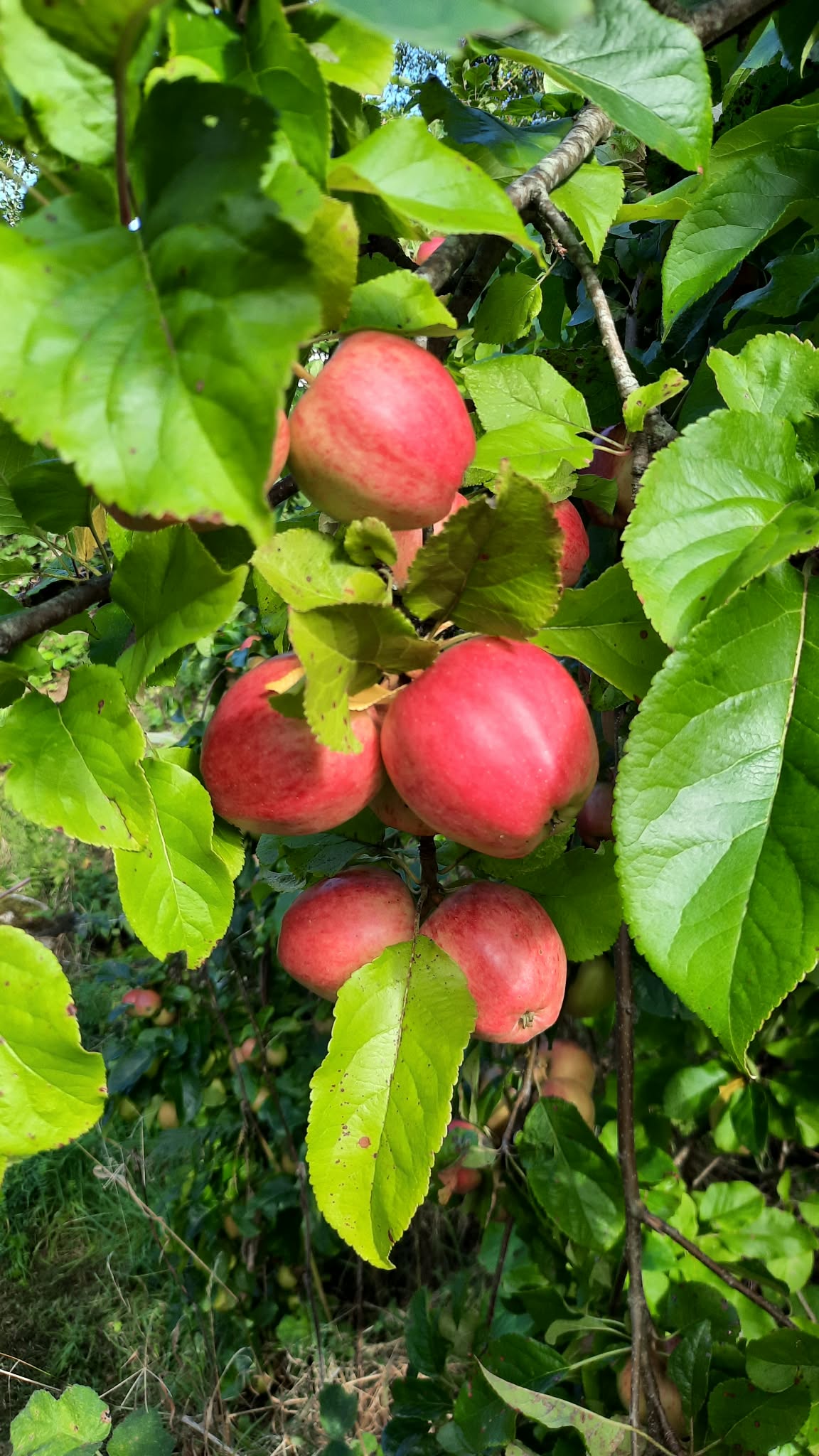
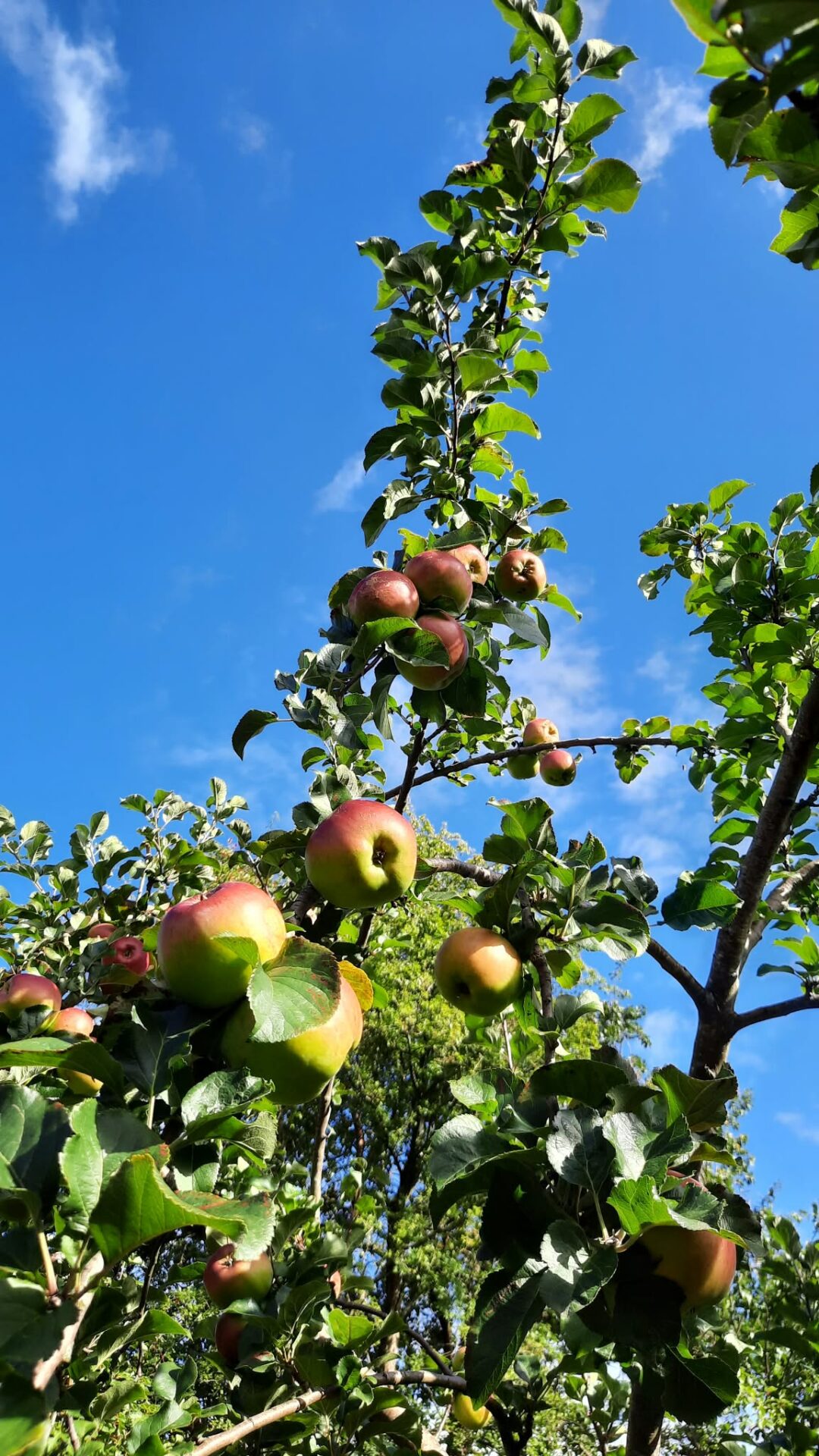
Am I being unfaithful to my apple trees, also planted as mere youngsters, and yet now so prolific they could feed the entire village? Together, these trees and I walk the seasons year after year. In their shade, a place where cushion-like moss grows underfoot, we’ve shared the laughter of my granddaughter.
Just outside the village stands a monumental, majestic tree that always takes my breath away, and further down the lane waits the “hugging tree”, which marked the turning point on walks with my girls.
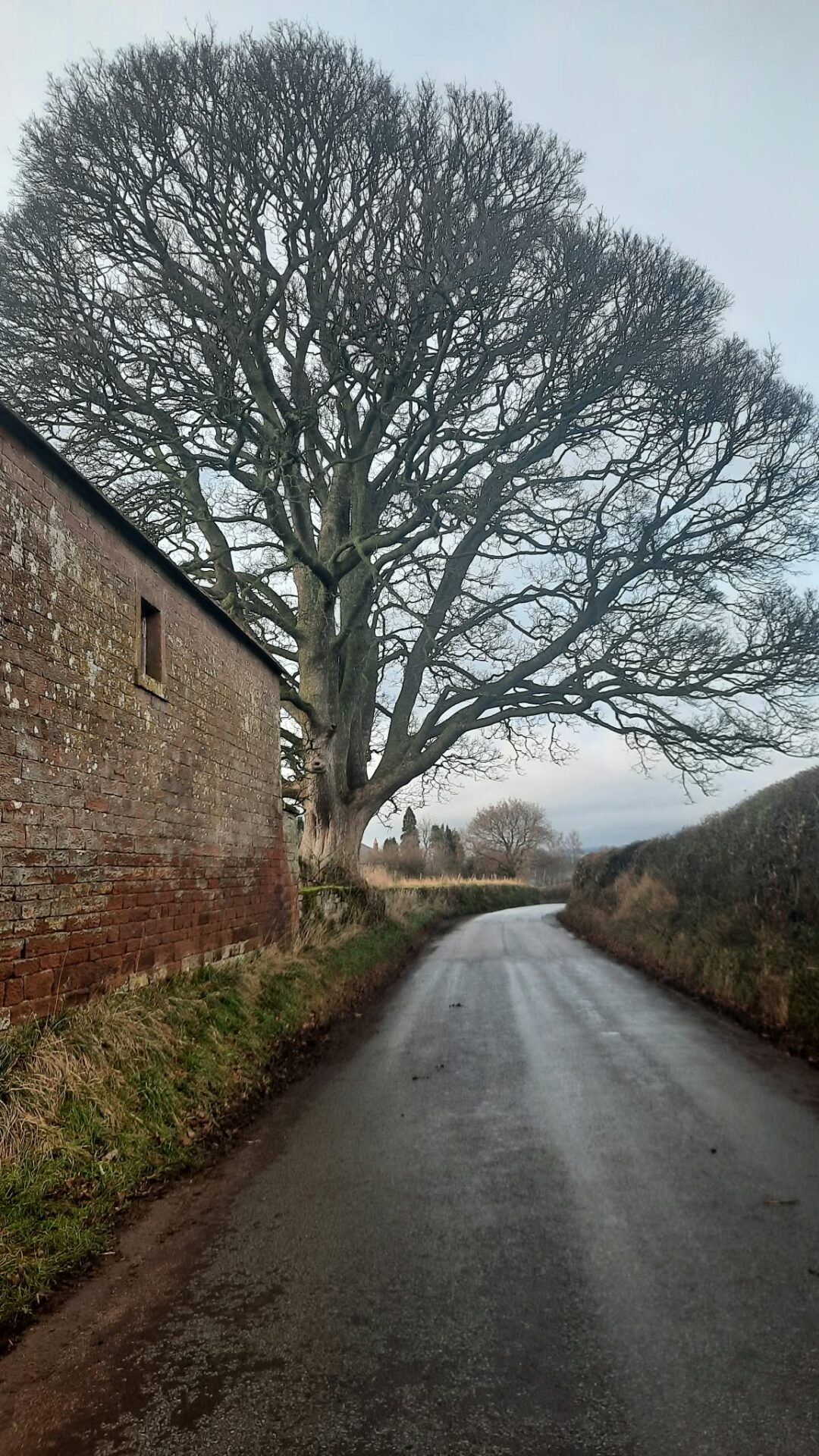
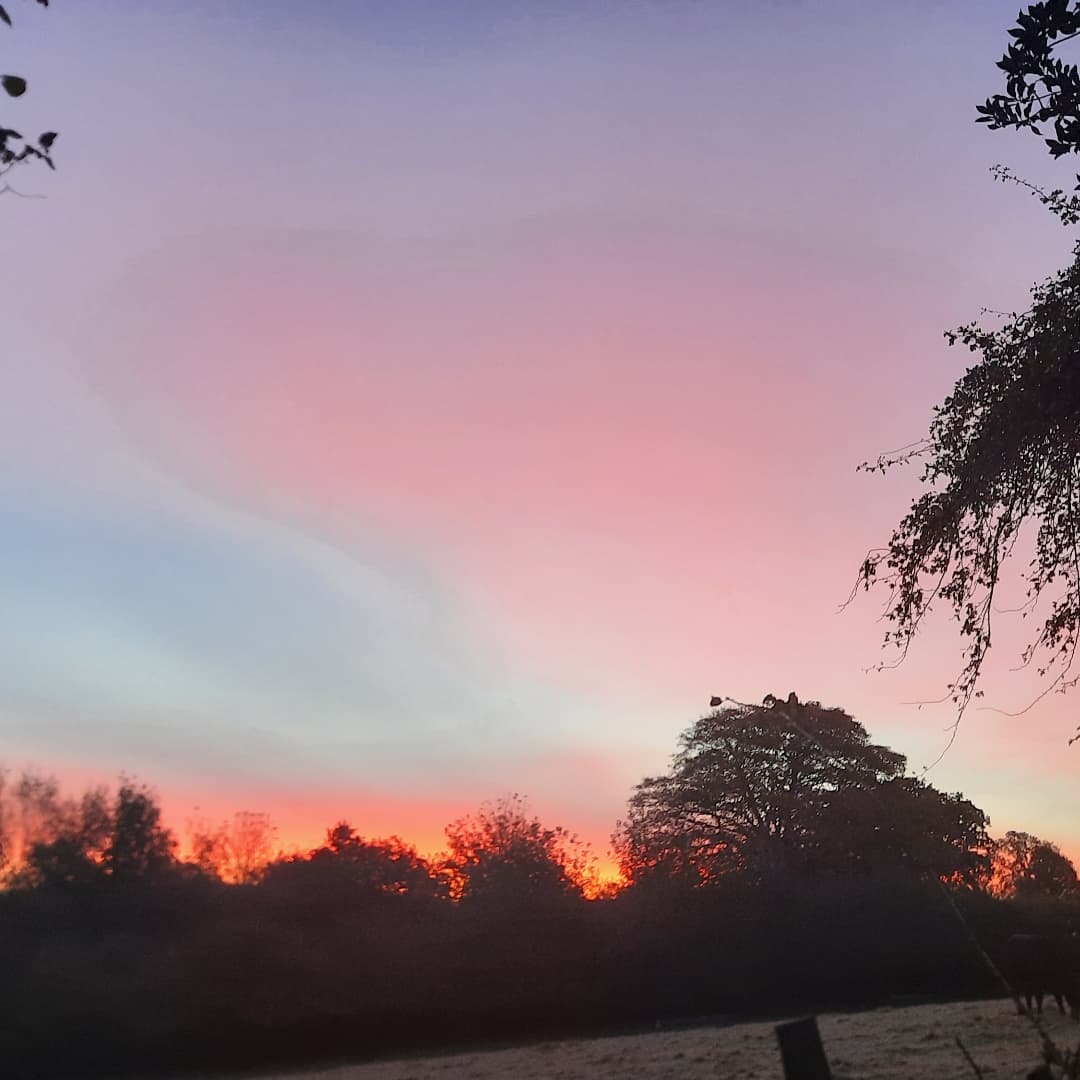
Coming into the village of Glassonby: such a beautiful tree.
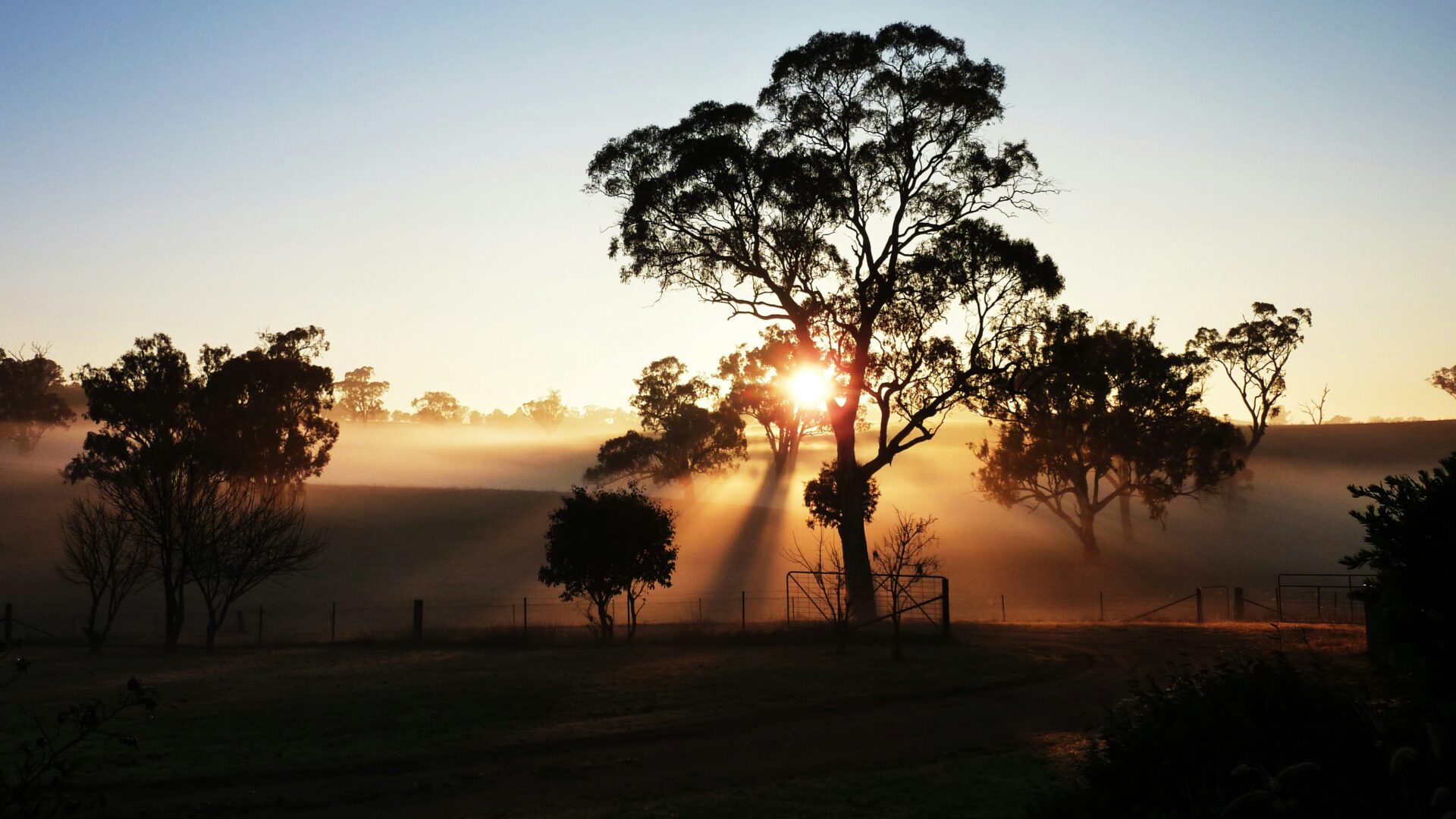
Yet, when I close my eyes, I am drawn back to the other side of the world, to the seven-hundred-acre horse stud in Australia where I grew up. I spent half my childhood tucked into the branches of eucalyptus trees, taking hours to figure out how to climb back down, or riding horseback up gum-clad mountains, always scanning the branches overhead for tree snakes and goannas.
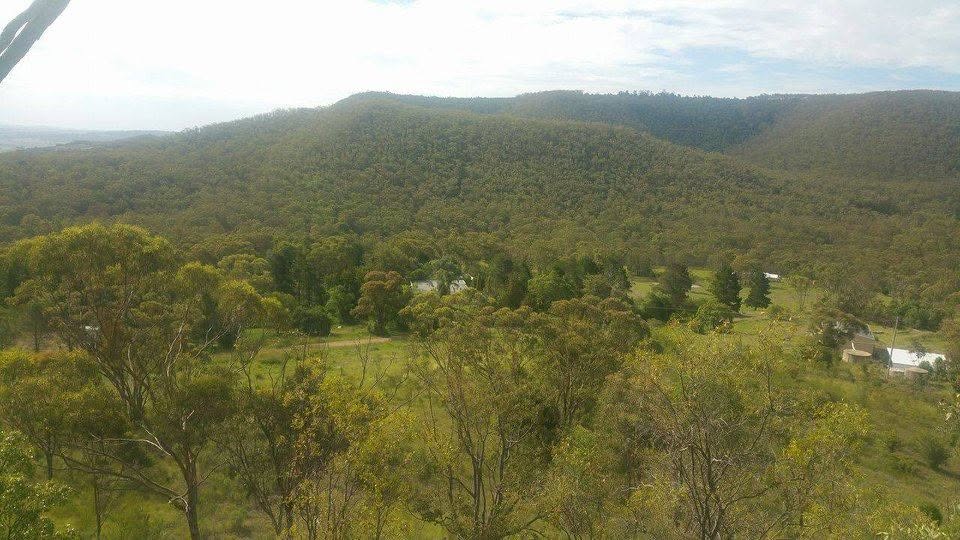
The eucalyptus-clad mountains my family owned on Charley’s Gully Road, Freestone.
Before school, in the soaring morning heat, I helped my mother tend to the hundreds of walnut trees we had planted. Together we’d water them with her rich, earthy brew of stinging nettles and horse manure before the flies woke for the day. Every December, our living room was filled with the divine, resinous scent of a fresh radiata pine garlanded with seasonal decorations. My parents had planted thousands of trees to create a Christmas tree plantation.
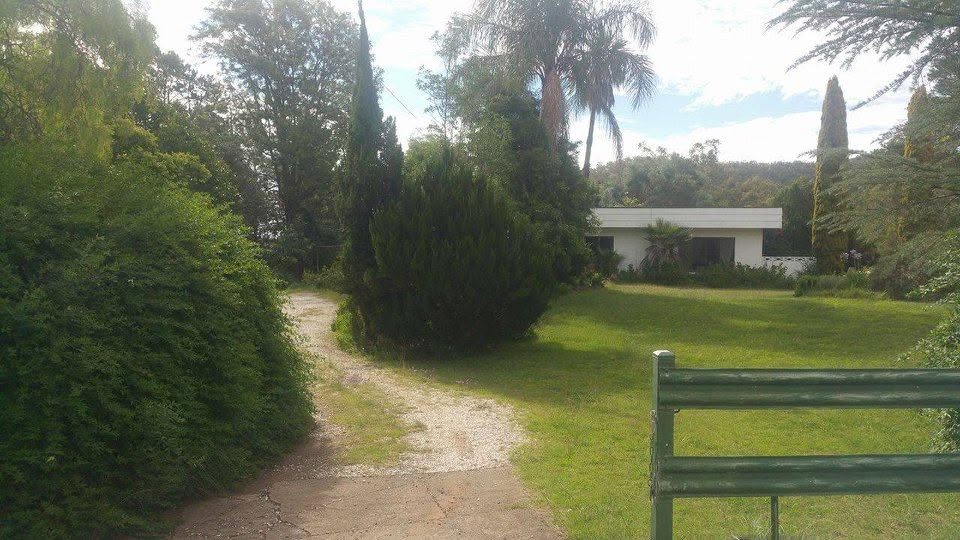
My mother turned a barren gravel pit into a massive tree-filled garden.
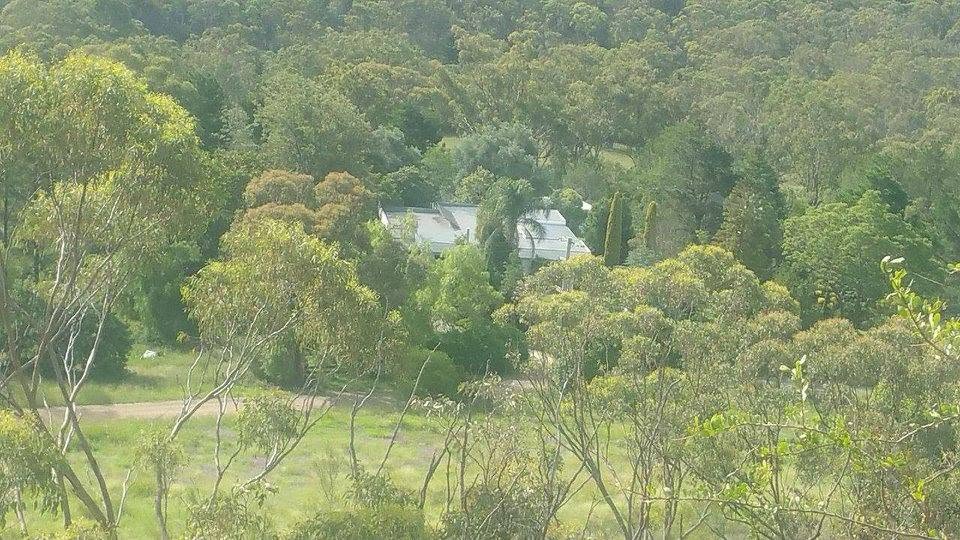
My childhood was filled with trees. Eucalyptus remains one of my favourite scents.
Out of the thousands of trees of my childhood in Australia, five hold a sacred space in my memory. There was the pepperina tree with its weeping, private bower, beneath which I played as a young girl, daydreaming of having two daughters—a quiet prophecy that life eventually fulfilled. About half a mile away at the edge of our garden, stood another towering tree, whose sharp, distinct scent I can still summon across the oceans. As one of eight children, its boughs were my sanctuary, an architectural perch where I could watch the world pass by in total solitude. Yet that same tree was also the heart of our loudest joys. A massive tractor tyre hung from one heavy branch; we would wedge it open with a block of wood, fill the rubber hollow with warm, soapy water, and one or two of us would jump inside, while the other siblings would push it into the trunk amidst gales of laughter and splashing.

left to right: my sister Heidi, brothers Rene and Kam, and my mother Angelikah.
And then there were the trees that fed my childhood in pure, sun-warmed sweetness. In one of our fields stood a solitary, gnarly wild apricot tree, heavy with the most exquisite fruit I have ever tasted. Golden nectar dripped down my chin. Pure nirvana. Ever since those halcyon days, every other apricot in life has been a disappointment to my taste buds.
At the base of the mountain range, beside a creek where pure water ran over rugged granite stones, grew a wild lemon tree; its fruit wore thick, dimpled peels, and despite their sharp sourness, we peeled and ate them just like oranges. Free-range children on adventures can get pretty hungry! A couple of miles away was a mulberry tree, where my lifelong devotion to the colour purple was surely born. I would stand beneath its fruit-laden branches for hours, stained and delighted, feasting on berries made rich and dark by the hot Australian sunshine—eating so many over the years that it remains a small miracle my skin isn’t still tinted violet to this day.
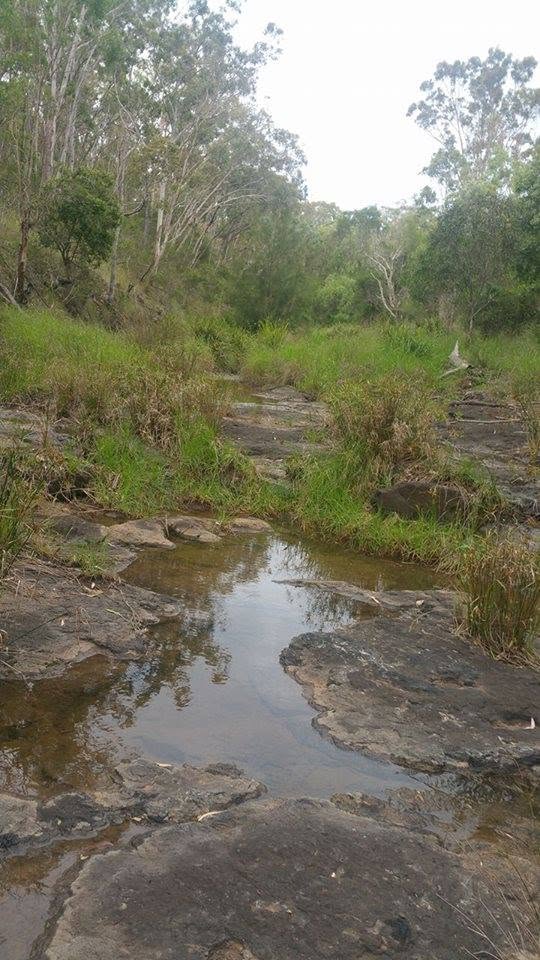
The spring-fed creek of my childhood.
When I left Australia as a young woman, my journey took me to New Zealand, where I married and welcomed those two dreamed-of daughters into the world. Overlooking the ocean, beneath a young cedar and a crimson-blossomed pōhutukawa, we buried their placentas. Though we have spent nearly three decades in England since, my mind often drifts back to that coastline, comforted by the thought that those two trees anchor my girls’ life stories to the soil of their birth.
I’ve never met a tree I didn’t love. Still, the most sacred of them all is the invisible timber that lives within my bones: my family tree. Though pedigree charts draw our past branching upward into the sky, my soul knows the truth: that our ancestors are the deep, unseen roots anchoring us to the Earth. My roots plunge into German soil on both sides, an ancient, tangled network of resilience and memory. I trace the maternal threads woven through my father’s lineage all the way back to the 1700s, and follow my mother’s line to my great-grandmother, gathering the quiet power of the women who came before me. They are the rings inside my trunk, the unseen sap rising through every season of my life. Alongside the boughs that weathered decades, I also honour the tender buds that barely opened before returning to the Earth—the fleeting, sacred souls lost before birth, in their very first breaths, or after only a whisper of earthside days—held forever in the tree’s quiet embrace. To speak their names aloud is an act of devotion: a spell that summons them from the shadows of history. Tracing the dates of their births and deaths, I feel the steady pulse of an unbroken matriarchal tree growing across the centuries, reminding me that I am both the leaf catching today’s light and the living extension of something far greater than myself.
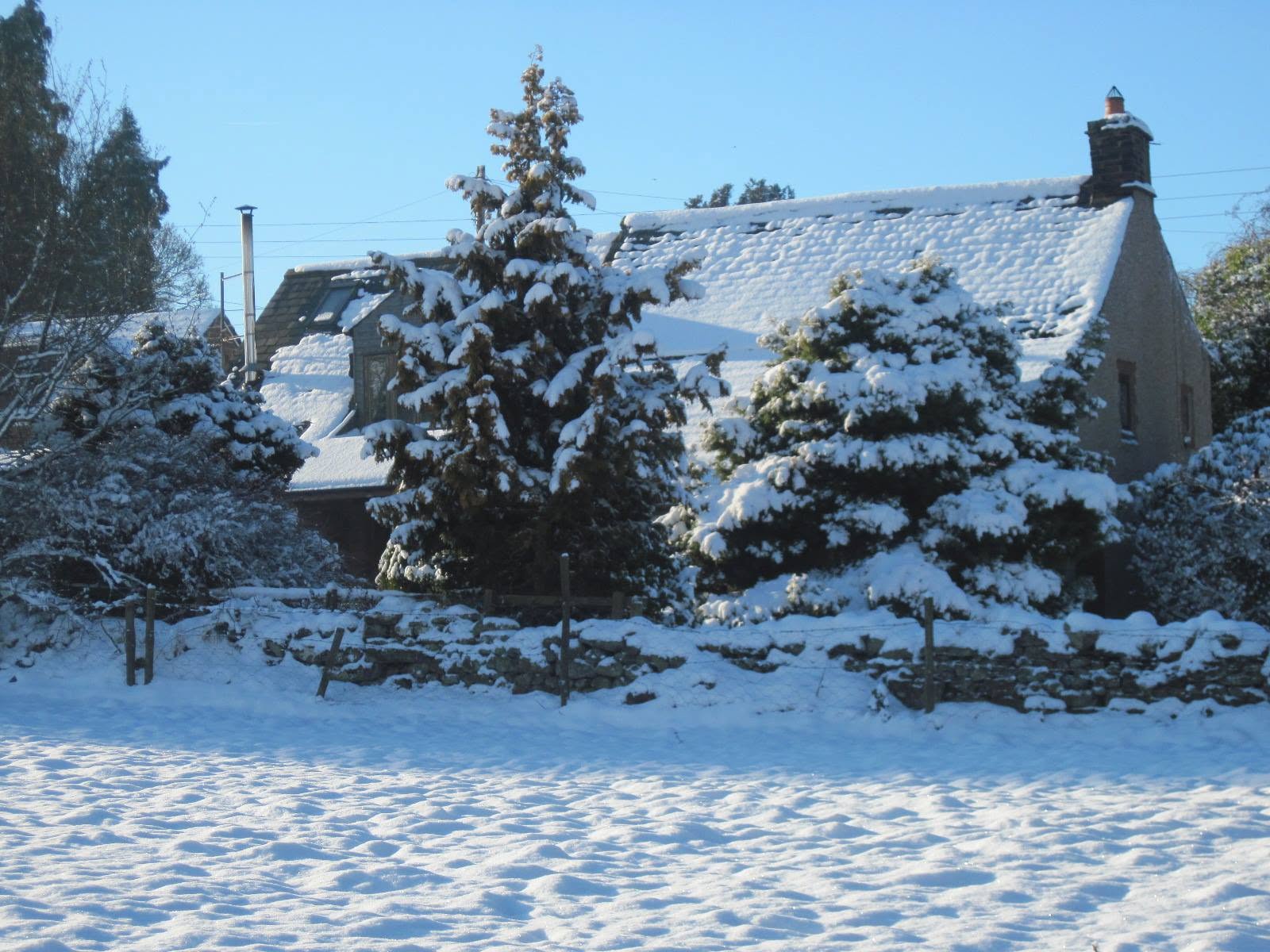
Trees outside our Cumbrian cottage. The photo is from fifteen years ago. The trees are huge now.